






Actualités économiques
United Nations Economic Commission for Africa - Ideas for a prosperous Africa
-
 How responsible mining will support SADC industrialisationpar eskinder.tsegaye le August 10, 2026
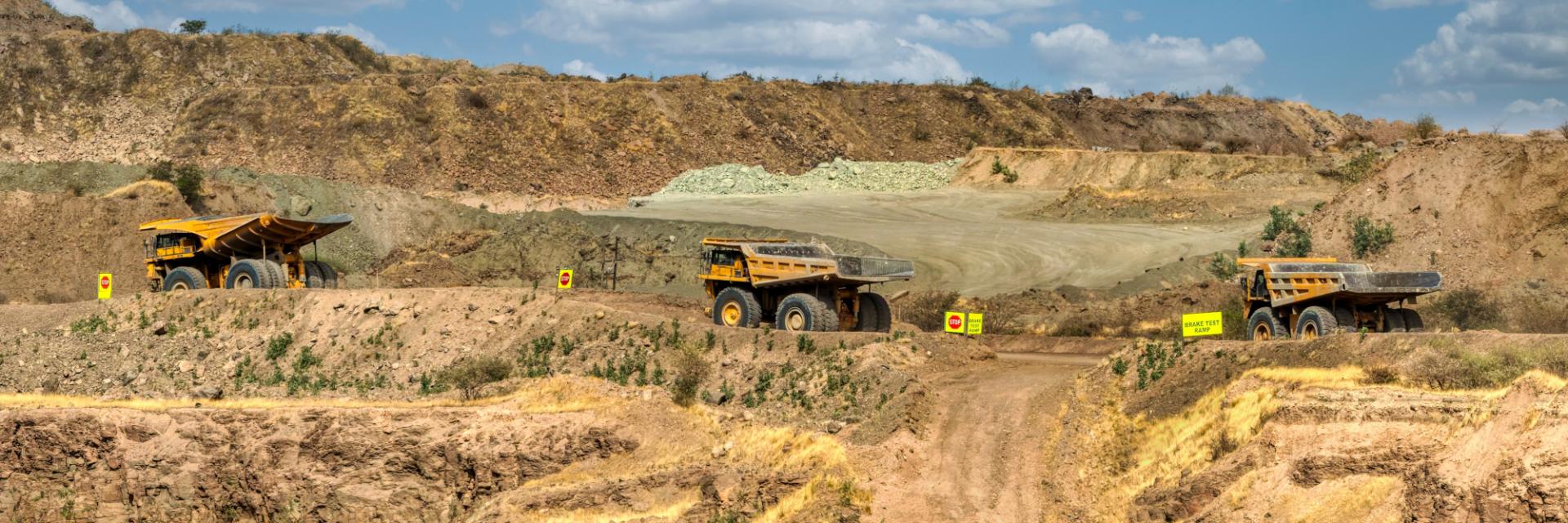
10 August, 2026Share this:facebooktwitteremailprintDurban South Africa, 10 August 2026 (ECA) - As global demand for critical energy transition minerals (CETMs) continues to increase, local processing and value addition is the Southern African Development Community (SADC)’s fastest route to industrialisation and economic diversification. The recent 9th SADC Industrialisation Week (SIW) and Exhibition, held in Durban South Africa, highlighted a key initiative promoting responsible mineral extraction. Supported financially by the International Climate Initiative (IKI), the five-year regional project on responsible and inclusive energy transition mineral value chains is led by the Economic Commission for Africa (ECA). It is promoting responsible mining and sustainable industrialisation across the six SADC countries. From copper in Zambia, cobalt in the Democratic Republic of Congo (DRC), manganese in South Africa and lithium in Zimbabwe, the SADC region is key to a clean energy future and to green industrialisation around the world. Held under the theme, Resilient, Sustainable and Inclusive Industrialisation through Infrastructure Development, Agricultural and Critical Minerals Transformation in Pursuit of a Just World, the SIW underscored the critical importance of responsible mineral extraction. “Our work, through the project on promoting ESG principles and responsible mining directly contributes to sustainable industrialisation because environmental governance is critical in shaping industrial policy across the SADC region,” said ECA Economic Affairs Officer, Oliver Maponga, noting that the responsible exploitation and value addition of critical energy transition minerals in the region was a key contributor to value chains development, industrialisation, transformation and economic diversification. The project is being implemented in the Democratic Republic of Congo, Mozambique, Namibia, South Africa, Zambia, and Zimbabwe which hold vast reserves of cobalt, copper lithium, manganese, platinum group metals, and rare earth elements. The implementing partners in the project include the African Union Commission’s African Minerals Development Centre; the University of the Witwatersrand (Wits Enterprise); WWF Germany, the German Federal Institute for Geosciences and Natural Resources (BGR) and Projekt Consult GmbH. The project will result in the development of ESG compliant mining policies, improved environmental and climate monitoring practices while ensuring participation and benefit sharing of local mining communities in mining-related governance and the strengthened capacity of communities in mining areas. A panel convened by the United Nations Industrial Development Organization (UNIDO) and ECA during the Industrialisation Week, on "Towards Competitive and Resilient Industrialisation in SADC” focused on enhancing industrial competitiveness by aligning regional policies with the needs of enterprises, traders, and mining communities and on artisanal small-scale miners as key actors along the CETMs value chain. The discussion focused on how artisanal small-scale mining (ASM) contributes to the critical energy transition mineral value chains and how they should not be left behind in the sharing of benefits. “Artisanal and small-scale miners occupy important nodes in the supply of critical energy transition minerals as reliable sources of the minerals despite their technological, financial and skills limitations,” said Maponga. “We need to ensure that the benefits that result from responsible mining and processing of critical energy transition minerals trickle down to the entire mining value chain.” The empowerment of artisanal and small-scale miners in responsible mining value chains is a key recommendation in the United Nations Secretary-General’s Panel on Critical Energy Transition Minerals. Speaking at the SIW, the SADC Executive Secretary, Elias Magosi, noted that the regional body was endowed with the mineral resources, markets and partnerships needed to industrialise. What is needed is to prioritise industrialization through investing in infrastructure and skills, transforming agricultural value chains, and beneficiating critical energy transition minerals at source. Issued by:Communications SectionEconomic Commission for AfricaPO Box 3001Addis AbabaEthiopiaTel: +251 11 551 5826E-mail: eca-info@un.org
-
 Uganda to build climate resilience in livestock, land and insurance systemspar eskinder.tsegaye le August 10, 2026
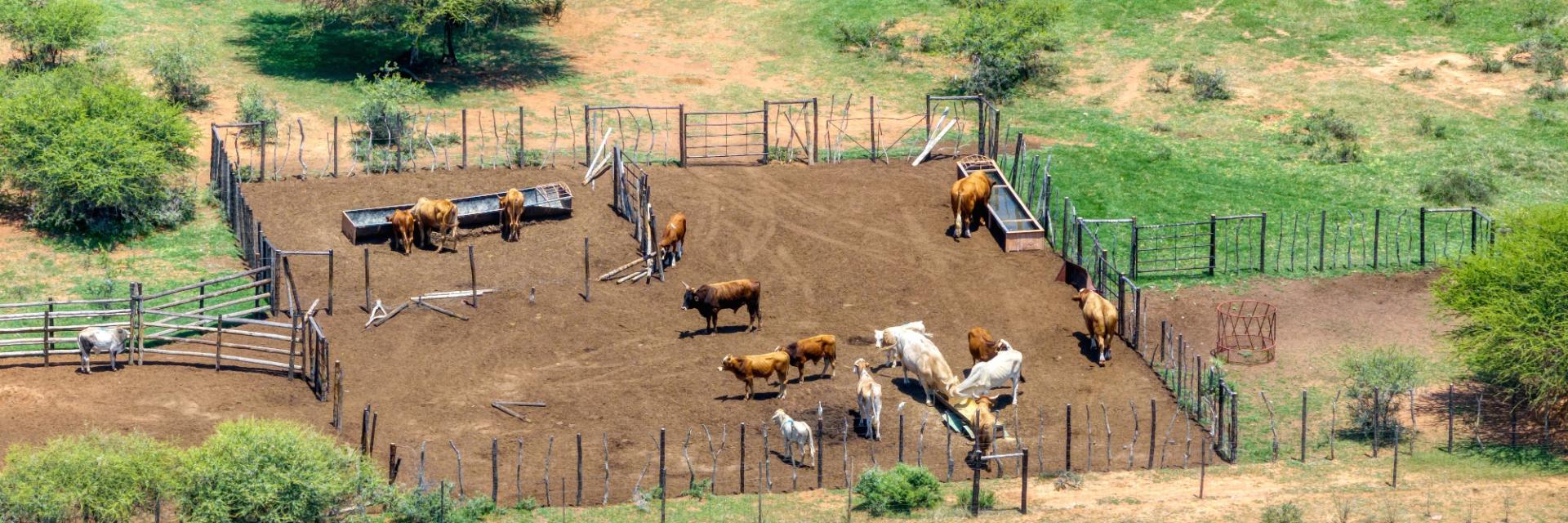
6 August, 2026Share this:facebooktwitteremailprintEntebbe, Uganda, 6 August 2026 — Uganda has launched a major three-year initiative to strengthen climate resilience across its livestock, land and insurance systems, marking a significant step in a broader regional effort to transform food systems in the face of escalating climate shocks. The initiative, part of the programme on “Accelerating Food Systems Transformation for Resilience to Climate Change in Africa”, is led by the Government of Uganda in partnership with the United Nations Economic Commission for Africa (ECA), the African Union Inter-African Bureau for Animal Resources (AU-IBAR) and the Intergovernmental Authority on Development (IGAD). It will also be implemented in Kenya and Somalia. Livestock is central to Uganda’s economy, supporting an estimated 4.5 million people and contributing about 17 per cent of agricultural GDP. Yet, the country remains vulnerable to climate change and weather variability, necessitating the need for building resilience of livestock-based food systems. The new initiative targets these bottlenecks through integrated action across four areas: livestock value chains, climate/index-based livestock insurance, land tenure security, and climate-land information systems for evidence-based decision-making. “The project aligns with the Government of Uganda’s Agro-Industrialization Programme and the Parish Development Model. It is expected to complement ongoing government efforts while addressing critical gaps,” said Bright Rwamirama Kanyontore, Minister of State for Agriculture, Animal Industry and Fisheries. The project will result in stronger value chains, better legal frameworks for trade, and targeted capacity-building across the system. The kick-off discussions highlighted persistent structural challenges, particularly in pastoralist areas, where insecure land tenure and limited access to insurance continue to undermine resilience and investment. Participants called for more affordable and better-designed insurance products, alongside stronger implementation of existing land policies. United Nations Resident Coordinator in Uganda, Leonard Zulu, stressed the need to move beyond production-focused approaches, noting that resilience is not only about increasing output; it is about fixing the systems around it, such as access to land and market linkages. Addressing the barriers holds the promise of delivering jobs, growth and food security, ultimately repositioning livestock as a driver of inclusive economic growth, nutrition and trade across the IGAD region. Medhat Elhelepi, Project Coordinator of the initiative at the ECA, pointed to a deeper structural issue, underscoring the urgency of transforming Africa’s food systems in response to rising food insecurity, climate shocks and underutilised productive assets. “Africa’s persistent hunger, despite its land, livestock, labour and market endowments, is fundamentally a challenge of converting existing assets into value, jobs, trade and resilience, rather than a lack of resources,” he said, adding that practical, country-owned solutions can unlock the full potential of the livestock sector. The initiative will begin with technical assessments to guide policy reform, strengthen coordination and unlock investment opportunities. Uganda’s Minister of Lands, Housing and Urban Development, Judith Nabakooba, emphasized that evidence generated through the process will inform policy reforms, strengthen institutional coordination and guide investments that improve livelihoods while enhancing climate resilience. The kick-off convened government officials, development partners, pastoralist representatives, private sector actors and researchers, underscoring the multi-stakeholder effort required to deliver lasting change. About the Project Accelerating Food Systems Transformation for Resilience to Climate Change in Africa is a UN-funded initiative implemented by ECA in partnership with AU-IBAR, IGAD and the Governments of Kenya, Uganda and Somalia. Running from 2026 to 2028, it supports countries to strengthen livestock-based food systems through integrated interventions in value chains, insurance, land tenure and climate information systems. About ECA The United Nations Economic Commission for Africa (ECA) promotes economic and social development, regional integration and international cooperation for Africa’s development.About AU-IBAR AU-IBAR is a specialized technical office of the African Union Commission supporting the sustainable development and utilization of animal resources across Africa. About IGAD IGAD is a regional economic community comprising Djibouti, Ethiopia, Kenya, Somalia, South Sudan, Sudan and Uganda, working to advance regional cooperation on food security, climate resilience and economic integration.About the Ministry of Lands, Housing and Urban Development The Ministry is mandated to ensure sustainable land management, orderly urban and rural development, and access to adequate housing for socio-economic development. Issued by:Communications SectionEconomic Commission for AfricaPO Box 3001Addis AbabaEthiopiaTel: +251 11 551 5826E-mail: eca-info@un.org
-
 Global leaders adopt plan to help landlocked countries overcome constraintspar eskinder.tsegaye le August 7, 2026
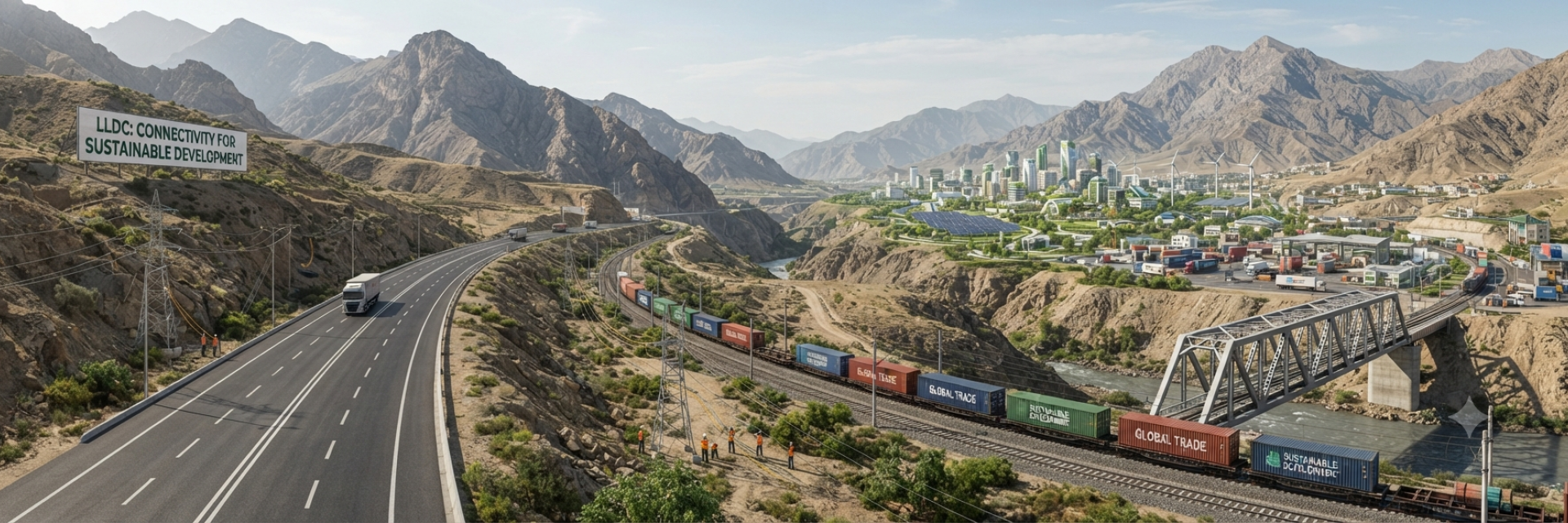
7 August, 2026Share this:facebooktwitteremailprintAs the Third United Nations Conference on Landlocked Developing Countries concluded today, world leaders highlighted the need for stronger international solidarity to support those countries’ structural transformation, industrialization, economic diversification and full integration into the regional and global economy. The Conference, which was hosted by Turkmenistan, took place from 5 to 8 August in Awaza, on the shores of the world’s largest inland body of water, the Caspian Sea. It brought together Heads of States and Governments, representatives of various international organizations and commissions, experts and other stakeholders to explore solutions and forge partnerships that address the specific challenges faced by countries that have no direct sea access. At its final plenary meeting which took place this morning, the Conference adopted, to resounding acclamation, the “Draft Awaza Political Declaration” (document A/CONF.225/2025/L.1), in which Heads of State and Government and high-level representatives welcomed the Awaza Programme of Action. This Programme builds on progress achieved under the Almaty and Vienna Programmes of Action — the outcome documents of the previous two Conferences — and provides a renewed, action-oriented framework to support the efforts of landlocked developing countries in achieving sustainable development. “We stress the specific needs and challenges faced by landlocked developing countries due to the lack of direct territorial access to the sea, obstacles to transport and communication, long distances from major markets, cumbersome transit procedures and the lack of adequate, safe, affordable, accessible infrastructure,” they said. They also reaffirmed commitment to advancing the concrete deliverables outlined in the Awaza Programme of Action, including establishing regional agricultural research hubs, creating a high-level panel of experts on freedom of transit for landlocked developing countries and exploring the creation of an infrastructure investment finance facility for such countries. Further, they stressed the importance of developing trade-related physical and digital infrastructure, as well as facilitating inclusive, equitable and affordable connectivity for landlocked developing countries. By other terms in the Declaration, they invited multilateral development banks to increase investment in that infrastructure — including roads, railways, waterways and ports, as well as fibre-optic cables and satellite-based systems. And, while inviting all relevant stakeholders to contribute to the Programme’s implementation, the document also underscored that national leadership and ownership of development strategies and policies of landlocked developing countries, transit countries and development partners must be ensured during the whole process of implementation, follow-up and monitoring. Further, they said: “We emphasize that efficient and mutually complementary follow-up and monitoring mechanisms — aligned with existing global frameworks and adapted at the national, subregional, regional and global levels — are crucial for the successful implementation of the Awaza Programme of Action.” That document — the “Awaza Programme of Action for Landlocked Developing Countries for the Decade 2024-2034” — was adopted by the General Assembly on 24 December 2024 (see Press Release GA/12671) and given its current name on 11 April 2025 (see Press Release GA/12680). It outlines a series of commitments for action across five priority areas: structural transformation and science, technology and innovation; trade, trade facilitation and regional integration; transit, transport and connectivity; enhancing adaptive capacity, strengthening resilience and reducing vulnerability to climate change and disasters; and means of implementation. ‘Bold and Practical Blueprint’ Established for Path Ahead In her closing remarks, Rabab Fatima, High Representative for the Least Developed Countries, Landlocked Developing Countries and Small Island Developing States, who served as the Secretary-General of the Conference, welcomed both documents. “We now have a bold and practical blueprint” that sets out a clear vision for the path ahead, she said. “Our top priority is to break the [landlocked developing countries’] geography-infrastructure trap,” she said. Other priorities include unleashing their productive capacity, integrating them into global trading systems, mobilizing climate resources and providing robust and predictable means of implementation. The many concrete commitments and innovative proposals in the Awaza Programme of Action, such as the proposed infrastructure financing facility and agricultural research hubs, will play a critical role in unlocking the true potential of landlocked countries, she reaffirmed. “In addition, we have heard further commitments here in Awaza,” she pointed out, highlighting the $10 billion infrastructure investment, announced by the Asian Infrastructure Investment Bank. She also called for the full implementation of the World Trade Organization trade facilitation agreement and stressed the need to mobilize more resources for climate adaptation in landlocked developing countries. Further, the “[landlocked developing countries] climate negotiation group marks a breakthrough” in ensuring a unified voice for them, she added. Awaza Has Become ‘Symbol of Hope, Aspiration and Shared Purpose’ Praising the leadership and commitment demonstrated by Serdar Berdimuhamedow, President of Turkmenistan, she said the Conference has ushered in a new era of bold partnerships to ensure that geography must not determine destiny. Awaza has become “a symbol of hope, aspiration and shared purpose”, she added. The city “will long be remembered as a defining moment in the [landlocked developing countries’] journey”, she said. Thanking the people and Government of Turkmenistan for their hospitality and noting the presence of youth, women’s organizations, South-South partners, private sector and civil society at the Conference, she said: “It is this spirit of solidarity, partnership, and shared purpose” that will bring about a future where “we are not divided by geography, but connected through ideas, trade and innovation”. The Conference also heard from Raşit Meredow, Deputy Chairman of the Cabinet of Ministers and Minister for Foreign Affairs of Turkmenistan, who spoke as the Conference’s ex officio Vice-President. “Over the past four days, we have come together under the theme ‘Driving Progress through Partnerships’ to reflect on the development challenges facing landlocked developing countries,” he said. “And more importantly,” he added, “to outline a brave and actionable path forward.” Time to Shift from Agreement to Implementation He, too, highlighted “two important outcomes that will guide us over the next decade” — the Awaza Programme of Action and the Awaza Political Declaration. “We must now shift from agreement to implementation,” he urged, and the success of the Awaza Programme of Action depends on strong partnerships between transit countries, regional organizations, development partners, the UN system, international financial institutions, the private sector and civil society. “It also depends on our collective resolve to ensure policy coherence, resource mobilization and effective monitoring of the commitments we have made,” he stressed. Stating that landlocked developing countries “can be not only land-linked, but opportunity-linked”, he added: “The Awaza outcomes give us the tools to achieve this vision.” “Awaza will now be forever associated with a renewed global compact”, he said, urging: “Let the name stand for implementation, ambition and solidarity.” Summaries of Interactive Thematic Round Tables Delegates also listened to summaries of the five interactive thematic round tables and six informal forums that took place during the Conference. Tabyldy Muratbekov, Member of Parliament of Kyrgyzstan, presented a summary of the first round table “Structural transformation, diversification and science, technology and innovation as drivers of prosperity in landlocked developing countries”, while Muhammad B.S. Jallow, Vice-President of the Gambia, presented the summary of the second one on “Seizing the transformative potential of trade, trade facilitation and regional integration for landlocked developing countries”. Also presenting summaries were Dina Nath Dhungyel, Minister for Foreign Affairs and External Trade of Bhutan, of the third round table on “Enhancing adaptive capacity, strengthening resilience and addressing vulnerability to climate change and disasters in landlocked developing countries”; Madina Sissoko Dembele, Minister of Transportation and Infrastructure of Mali, of the fourth round table on “Building sustainable infrastructure, strengthening connectivity and promoting unfettered transit systems for landlocked developing countries”; and Mammetguly Astanagulov, Minister of Finance and Economy of Turkmenistan, of the fifth round table on “Provision and mobilization of resources and strengthened global partnerships for sustainable development in landlocked developing countries”. Summaries of Informal Forums Maksat Kulyyev, Chairman of the Committee on International and Inter-Parliamentary Relations of the Mejlis of Turkmenistan, summarized the Parliamentary Forum; Carlos Andres Olivera Caballero, Land-Linked Fellow from Bolivia, summarized the Youth Forum; and Jane Nalunga, Executive Director of the Southern and Eastern Africa Trade Information and Negotiations Institute in Uganda, summarized the Civil Society Forum. The Private Sector Forum was summarized by Kemal Kutlyyev, Director of the Foreign Economic Relations Department and Head of Foreign Economic Analysis of the Chamber of Commerce and Industry of Turkmenistan, while Aleksandr Prodan, Senior Transport Economist at the World Bank, provided a summary of the Connectivity Track; and Tiroeaone Ntsima, Minister of Trade and Entrepreneurship of Botswana, presented a summary of the Ministerial Meeting on South-South Cooperation. Finally, Zohre Narbayeva, a member of the Women Union of Turkmenistan, offered a summary of the Women Leaders’ Forum. Conference Report The Conference also adopted the report of the Conference (document A/CONF.225/2025/L.2), which was introduced by Taonga Mushayavanhu (Zimbabwe). Report of Credentials Committee Also adopted today was the resolution entitled “Credentials of representatives to the Third United Nations Conference on Landlocked Developing Countries”, contained in paragraph 16 of the report of the Credentials Committee (document A/CONF.225/2025/4). Iran’s delegate, speaking in explanation of position, said his country does not recognize the Israeli regime or acknowledge its credentials.
-
 Minerals must benefit countries, communities, not finance criminals, conflictpar eskinder.tsegaye le August 7, 2026
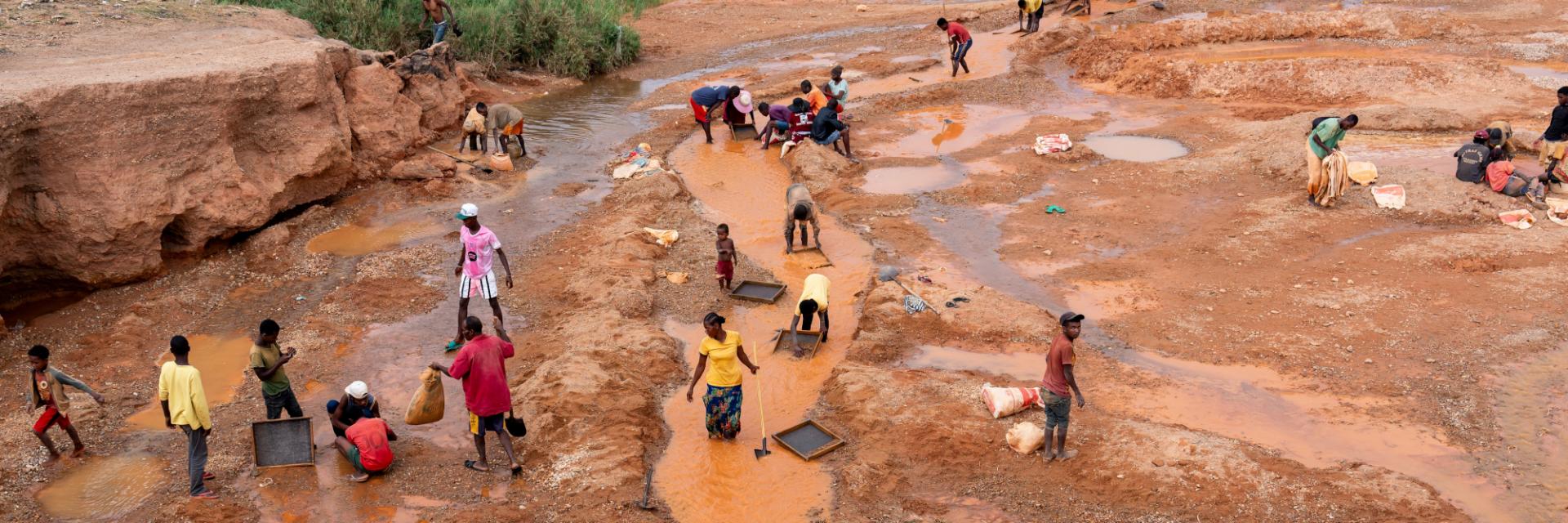
6 August, 2026Share this:facebooktwitteremailprintCountries and communities, especially in resource-rich Africa, must benefit most from the minerals in their own backyards, speakers affirmed today at a Security Council debate on “Natural resources governance: the foundation of peace, security and prosperity”. The demand for critical energy transition minerals such as lithium, cobalt, nickel and rare earth elements is set to almost triple by 2030. In its March briefing on energy, critical minerals and security, the Council heard that mining has been linked to human rights abuses and conflict. Ministers and delegates today stressed the importance of ensuring that these resources support development, even as they differed on what resource governance should look like. UN Secretary-General António Guterres drew attention to how revenues from illicit exploitation are pushing peace out of reach — “by strengthening armed and criminal actors, connecting local violence to regional and international networks and weakening incentives for political compromise”. He spotlighted — as did many speakers today — illegal mining and smuggling in the Democratic Republic of the Congo and Sudan. “It is time to break the age-old pattern — where resources are extracted, value is captured elsewhere, and impoverished communities are left behind to cope with the environmental and socioeconomic damage,” he said. He also pointed to the “sovereignty deficit” in many resource-rich countries, especially in Africa, due to colonialism and governance challenges. Value-Added Production Is Peacebuilding by Another Name “Good natural resource governance is peacebuilding by another name”, said Ngozi Okonjo-Iweala, Director-General of the World Trade Organization (WTO). She, too, stressed the need to move from extraction to value creation, calling local processing and value-added industries “a peacebuilding imperative”. With Africa’s share of global trade still below 3 per cent, value-added production, rules-based trade and African-led industrial cooperation can help ensure that critical minerals support development. “This is our chance to replace the vicious circle of the ‘resource curse’ with the virtuous circle of the ‘resource blessing’” she said. A diamond can either fund a classroom or fuel a militia, Liberia’s delegate observed. “Geology does not choose — governance does,” he added. His country knows this because the Council acted against the timber and diamonds that fuelled its civil conflict by adopting Council resolution 1521 (2003). Subsequently, through national reform and international frameworks like the Kimberley Process, “those same resources became the bedrock of our economic recovery”, he said. Spotlight on Existing Resource-Governance Frameworks Many existing frameworks came up today, with Somalia’s delegate describing the African Mining Vision as a “continental framework for transparent, equitable and optimal exploitation”. Mutiba Luwabelwa, Executive Secretary of the International Conference on the Great Lakes Region, highlighted its regional certification mechanism for tin, tantalum, tungsten and gold. Noting the more than 33,000 certifications issued to miners in the Democratic Republic of the Congo alone over the past few years, he underscored that “credible traceability systems, harmonized standards and strong political commitment” can work together. Tete Antonio, Angola’s Minister for External Relations, pointed to the Organisation for Economic Cooperation and Development (OECD)’s Due Diligence Guidance, as he urged greater use of technology to enhance accountability. During the civil war in Sierra Leone, that country’s speaker said, the illicit exploitation of diamonds financed armed groups. He acknowledged the importance of the Kimberly Process, the African Mining Vision and his country’s Sovereign Mineral Wealth Fund. However, gaps remain, he said, expressing support for a wider, stronger international governance framework grounded in the principle of equitable benefit-sharing. Latvia’s representative noted that the Kimberley Process has not been able “to address how Russia’s diamonds are funding its war” against Ukraine, and added that that existing frameworks must “remain fit for purpose”. Threats to peace don’t always come “bearing a flag or a declaration of war”, Panama’s speaker said. Sometimes, they lurk along a smuggling route or behind a mine controlled by illicit actors. The Council must view natural resources not as a peripheral issue, but as “one of the major governance challenges” of the century. Roberto Kury Pesantes, Ecuador’s Minister for Foreign Affairs and Human Mobility, highlighted his country’s “total offensive” against organized crime, narco-terrorism and illegal mining, launched last June. Time for New International Doctrine “Our country is among the richest in the world in natural resources,” said Thérèse Kayikwamba Wagner, Minister for Foreign Affairs, International Cooperation and Francophonie of the Democratic Republic of the Congo, Council President for July. But resources that should finance development have instead fuelled conflict. Calling for a new international doctrine based on the conviction that natural resources are assets that carry shared responsibilities, she outlined six principles: effective respect for the permanent sovereignty of States over their natural resources; responsibility to guarantee the lawful use of resources that will power the future; traceability and accountability throughout supply chains; the fight against economic impunity; equitable partnerships; and governance that protects communities living in extraction zones. The United States’ representative highlighted the Washington Accords between the Democratic Republic of the Congo and Rwanda, describing it as a “historic opportunity to unlock lasting security and prosperity for the people of the Great Lakes region” by creating conditions for greater investment. Further, the Lobito Corridor, which links the Democratic Republic of the Congo to Angola’s Atlantic port of Lobito, will create new trade opportunities with the United States and Europe. The European Union’s representative, speaking in its capacity as observer, drew attention to the bloc’s restrictions on imports of Sudanese gold, as well as its Conflict Minerals Regulation, which promotes responsible sourcing of tin, tantalum, tungsten and gold. In Sudan, “gold trafficking fuels the war economy”, France’s delegate noted. He highlighted the role of sanctions in curbing such actions by armed groups. Denmark’s delegate echoed that, noting that similar dynamics have played out in Myanmar, Colombia, Afghanistan, Iraq and Syria. State Sovereignty over Natural Resources China’s representative, however, warned that conflicts are complex and resources are not their only drivers. Economic trade and industrial cooperation must not fall victim to “sweeping securitization, politicization or instrumentalization”, he said, stressing: “Certain countries should cease using pressure, sanctions and military coercion to seize resources from other countries.” The Russian Federation’s delegate said there is no “universal model of natural-resource governance that is equally suitable for everyone”, rejecting an approach whereby State sovereignty over natural resources can only be realized subject to some form of good governance. Noting that 20 African economies depend on exports of unprocessed minerals, he said the continued extraction of raw materials from Global South countries demonstrates that decolonization has not truly taken place. Pakistan’s speaker was among those who highlighted General Assembly resolution 1803 (XVII), which stresses peoples’ rights to permanent sovereignty over their natural resources. Securing Global Supply Chains, Development Rights of Producing Countries Abdulla Balalaa, Assistant Minister for Foreign Affairs for Energy and Sustainability of the United Arab Emirates, said its engagement with partner countries supports national priorities and long-term value. Speakers for Bahrain, Greece and the United Kingdom called for strong governance, traceability and benefit-sharing to turn resource wealth into a foundation for peace. Jasem Mohamed AlBudaiwi, Secretary General of the Gulf Cooperation Council, said: “The governance of natural resources cannot be separated from the security of global supply chains,” and warned against any attacks on maritime shipping routes. Constant-Serge Bounda, Minister for Foreign Affairs, Francophonie and Congolese abroad of Republic of Congo, highlighted the need for afforestation, reforestation and ecosystem-restoration initiatives. “Our archipelago was once the epicentre of a global scramble,” said Arrmanatha Christiawan Nasir, Indonesia’s Vice-Minister for Foreign Affairs, recalling how the spice race has given way to competition for nickel and cobalt. “Whom does this wealth actually serve?”, he asked, stressing that, while trade, investment and cooperation are essential, producing countries must be allowed to move beyond supplying raw materials. “We cannot again allow the [Global South] to once again bear the environmental and social costs of extraction,” said Irene Vélez Torres, Colombia’s Acting Minister for Environment and Sustainable Development. “We need to move towards geopolitical justice in the governance of these minerals.”
-
 Beyond raw exports: ECA and Mozambique chart a path to industrial growthpar eskinder.tsegaye le August 6, 2026
4 August, 2026Share this:facebooktwitteremailprintMaputo, 4 August 2026 (ECA) — Mozambique sits on some of Africa's most significant mineral wealth, operates one of the continent's fastest-growing ports, and borders some of the region's most dynamic economies. Yet most of its minerals leave as raw exports, and its investment frameworks are still catching up with its potential. ECA Executive Secretary Claver Gatete arrived in Maputo with a clear message: the opportunity is real, now the frameworks must match it. Meeting with Secretary of State for Mines H.E. Jorge Gerson Momade Daudo, and speaking at a press conference at the Ministry of Mineral Resources, Gatete was direct: Mozambique must move beyond raw material exports. With critical minerals, natural gas, deep-water ports, and strategic transport corridors, the country has the assets to become a continental model for responsible, value-added mineral development, if governance frameworks, negotiation capacity, sovereign wealth mechanisms, and local content policies are put in place to capture that value. ECA reaffirmed its commitment to supporting Mozambique through regional programmes on critical minerals, green industrialisation, and local content. At APIEX, discussions with Deputy General Director Telma Odete Come focused on strengthening Mozambique's investment ecosystem — simplifying procedures, developing a one-stop investment platform, and fully integrating Special Economic Zones into the country's AfCFTA implementation strategy. At the Mozambique Chamber of Commerce, Vice President Ilda Matabel and the ECA delegation centred discussions on the private sector, particularly SMEs facing barriers to finance, certification, and regional market access. ECA highlighted support opportunities through AfCFTA implementation, digital trade platforms, and regional initiatives including the African Women Entrepreneurs Network. The engagements concluded with a visit to the Port of Maputo, where DP World presented plans to scale container capacity from 230,000 to 1 million TEUs within five to seven years. The port visit crystallised the larger argument: with the right investment in channel depth, corridor connectivity, and local mineral processing, Maputo could evolve from a regional transit gateway into an industrialisation engine for Southern Africa. "The question is no longer whether the opportunity exists," said Executive Secretary Gatete. "It is whether the governance, the value chain strategies, and the investment frameworks are in place to capture it fully. ECA stands ready to support that work. Issued by:Communications SectionEconomic Commission for AfricaPO Box 3001Addis AbabaEthiopiaTel: +251 11 551 5826E-mail: eca-info@un.org
-
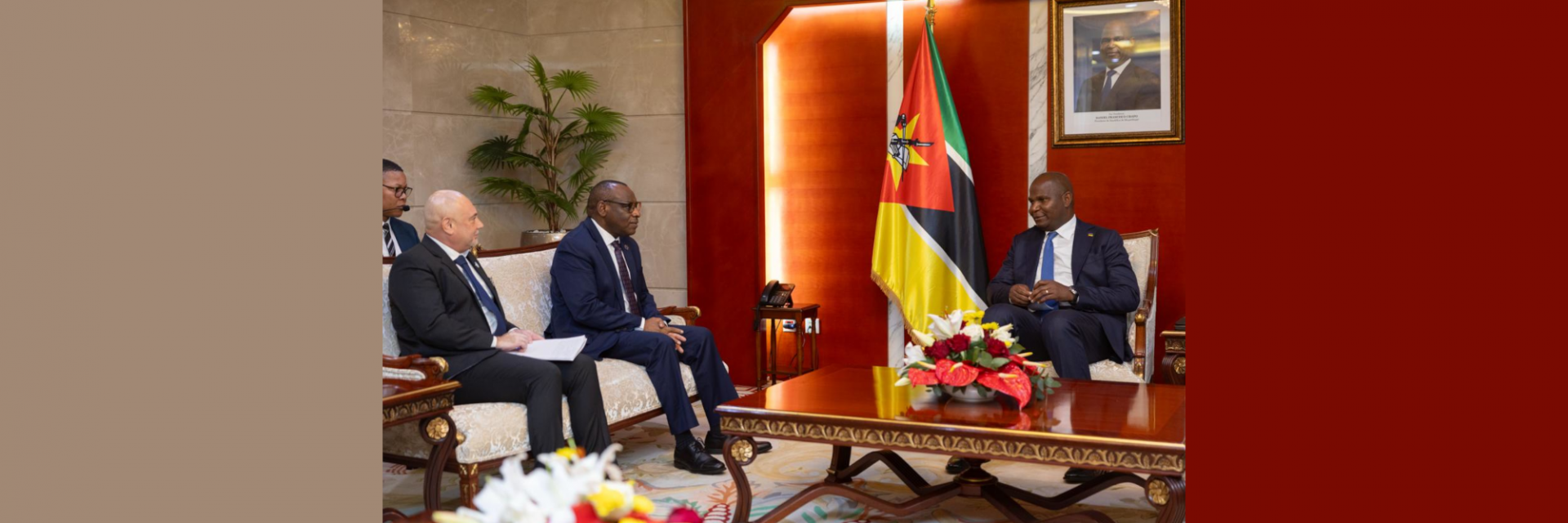 ECA and Mozambique align on a shared vision for structural transformationpar eskinder.tsegaye le August 6, 2026
3 August, 2026Share this:facebooktwitteremailprintMaputo, 3 August 2026 (ECA) — Executive Secretary of the United Nations Economic Commission for Africa (ECA), Claver Gatete, met with H.E. Daniel Francisco Chapo, President of the Republic of Mozambique, opening a high-level two-day mission aimed at deepening ECA's partnership with Mozambique and aligning technical support with the country's national development priorities. Received at the President's working office in Maputo, the ECA delegation was welcomed by President Chapo, who outlined a bold and clear development vision anchored in five priority sectors: energy, agriculture, industrialisation, digitalisation, and tourism. The President emphasised Mozambique's ambition to become a regional energy hub, building on its hydropower potential, ongoing LNG operations in Cabo Delgado, and plans to develop downstream industries including fertiliser production. Infrastructure and logistics were identified as critical enablers, with three strategic transport corridors, through Maputo Port, the Zambia-Zimbabwe link, and the Northern Mozambique corridor at the heart of the country's connectivity agenda. Executive Secretary Gatete welcomed the clarity of the vision and was direct about what comes next. "Delivery is the greatest challenge, not planning. Governments must start somewhere, demonstrate progress, and build trust. Mozambique has the resources, the vision, and the partnerships. What matters now is organised, sustained execution." He noted that with nearly 600 million Africans still lacking access to electricity, demand for Mozambique's energy resources is guaranteed, making the quality of investment agreements and implementation oversight decisive. The mission also included meetings with H.E. Maria Manuela dos Santos Lucas, Minister of Foreign Affairs and Cooperation, and H.E. Maria de Fátima Simão Manso, Secretary of State for Foreign Affairs, where discussions focused on aligning ECA's technical assistance with government priorities, investing in human capital, and strengthening Africa's collective voice in global economic governance. With H.E. Mito Albino, Minister of Agriculture, Environment and Fisheries, both sides reaffirmed agriculture as a priority area for transformative, country-led support, with concrete follow-up actions agreed to identify areas of joint collaboration. With H.E. Salimo Valá, Minister of Planning and Development, discussions went to the heart of Mozambique's challenge, turning plans into results. ECA committed to presenting a digital planning and implementation tracking platform, supporting feasibility studies in priority sectors, and deploying technical expertise to resolve bottlenecks on the ground. FAO Representative José Luis Fernandez, serving as UN Resident Coordinator a.i., underscored the timeliness of the mission, noting its alignment with preparations for the new UN Cooperation Framework beginning in January 2027. ECA Southern Africa Sub-Regional Office Director Eunice Kamwendo highlighted the Commission's existing engagement on industrialisation, Regional Value Chains, tourism, Special Economic Zones, and energy — all directly aligned with Mozambique's development agenda. Both sides agreed to maintain close dialogue, including engagement on the margins of future African Union Summits, and to advance a focused programme of technical support anchored in measurable results. Issued by:Communications SectionEconomic Commission for AfricaPO Box 3001Addis AbabaEthiopiaTel: +251 11 551 5826E-mail: eca-info@un.org
Financial Afrik Toute la Finance Africaine
-
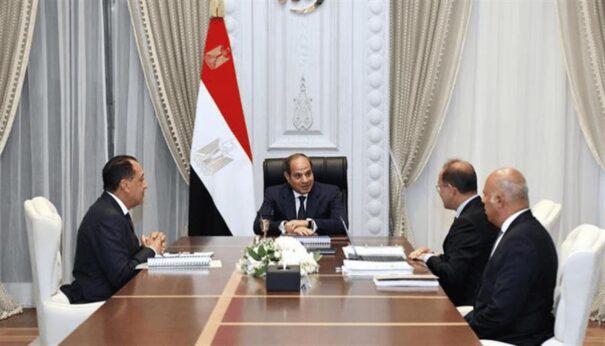 Égypte : Al-Sissi approuve l’émission de sukuk fiscaux pour réduire les besoins de financement et le coût de la dettepar Dominique Mabika le August 11, 2026
Le président égyptien Abdel Fattah al-Sissi a approuvé, lundi 10 août, une proposition visant à émettre des sukuk fiscaux, instruments souscrits par les contribuables dont le montant peut être déduit de leurs futures obligations fiscales, dans l’objectif de réduire les besoins de financement de l’État et de contenir le coût du service de la dette. La décision a été prise lors d’une réunion tenue à New Alamein avec le Premier ministre Mostafa Madbouly et le ministre des Finances Ahmed Kouchouk, consacrée à l’évolution de la situation économique et financière du pays. Lire la suite»
-
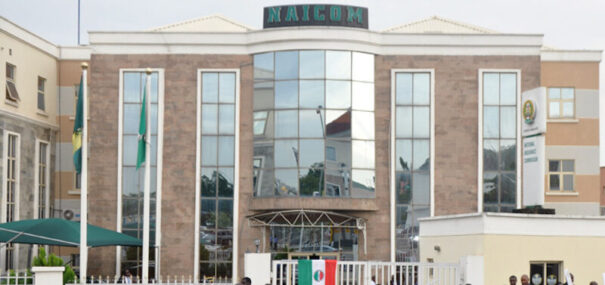 Nigeria : le gouvernement suspend des frais de recapitalisation contestés par deux assureurspar Amadjiguéne Ndoye le August 11, 2026
Ce contenu est réservé aux membres. Visitez le site et connectez-vous ou bien adhérez pour le lire. Lire la suite»
-
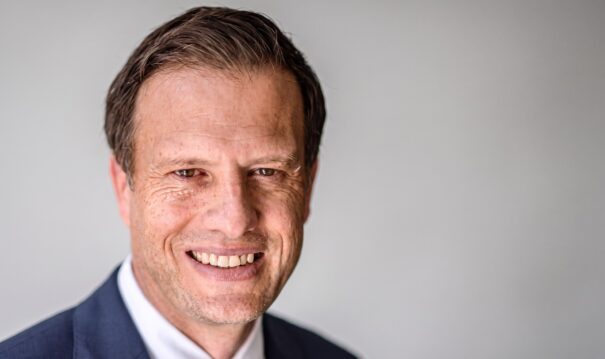 Barrick nomme Sebastiaan Bock à la tête de ses activités hors Amérique du Nordpar Amadjiguéne Ndoye le August 11, 2026
Ce contenu est réservé aux membres. Visitez le site et connectez-vous ou bien adhérez pour le lire. Lire la suite»
-
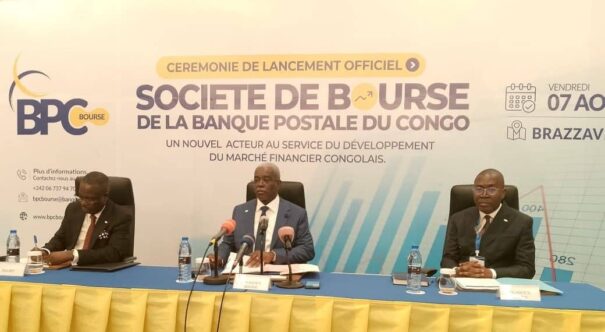 BVMAC : la Banque Postale du Congo lance sa filiale de société de boursepar Dominique Mabika le August 11, 2026
Ce contenu est réservé aux membres. Visitez le site et connectez-vous ou bien adhérez pour le lire. Lire la suite»
-
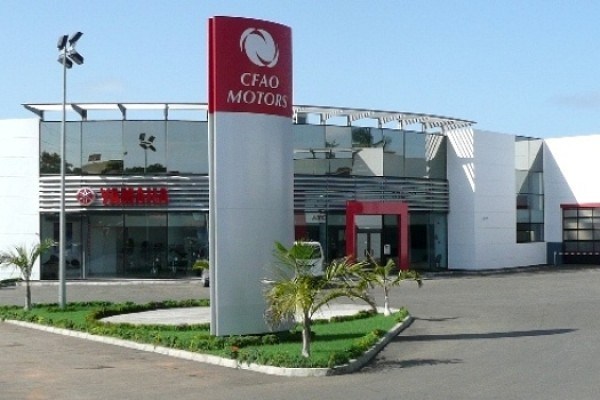 Dividendes 2025 : La société CFAO Mobility Côte d’Ivoire versera à ses actionnaires plus de 11 milliards de FCFApar Albert Savana le August 11, 2026
Ce contenu est réservé aux membres. Visitez le site et connectez-vous ou bien adhérez pour le lire. Lire la suite»
-
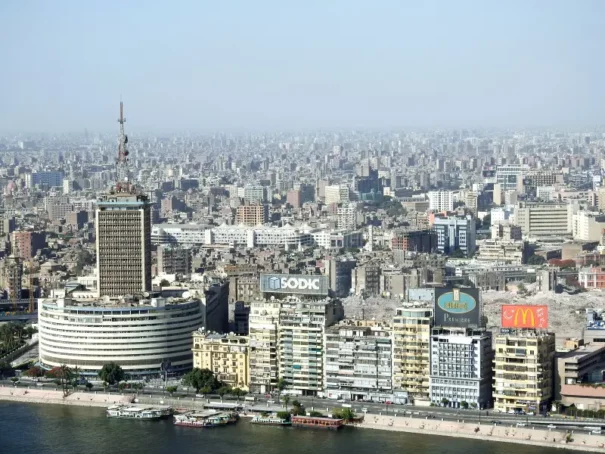 Égypte : AM Best confirme la note B- d’Egyptian Takaful, avec des perspectives stablespar Dominique Mabika le August 11, 2026
Ce contenu est réservé aux membres. Visitez le site et connectez-vous ou bien adhérez pour le lire. Lire la suite»
Commentaires pour Financial Afrik Toute la Finance Africaine
-
 Commentaires sur Le Sénégal a payé le prix d’avoir ignoré son propre bulletin de notes par Ndeye Coumba NIASSpar Ndeye Coumba NIASS le June 6, 2026
S'il y a réellement eu fraude, quels sont les coupables désignés par l'Etat sénégalais ?
-
Commentaires sur Décès du Professeur Moustapha Kassé, un éminent Economiste tire sa révérence par Big Czechbetkasinopar Big Czechbetkasino le June 4, 2026
It's always sad to see a respected figure pass away. What contributions of his stand out the most to you?
-
Commentaires sur Hommage au Professeur WADE, enseignant de la Démocratie et de l’Alternance au Sénégal par mackpar mack le June 1, 2026
on a beau être ingénieur politechnicien informaticien on est malgré tout le produit d'une éducation au rabais et en décadence écrire un tel article aussi confus et ridicule lamentable on y trouve tout du tribalisme comme de la publicité gratuite à un marchand informaticien de paris .wade n'a jamais étè opposant il était incapable de se faire élire pour devenir ministre de senghor qui s'en méfiait d'ailleurs à cause de son caractére incontrolable et plus tard pour intégrer l'internationaliste socialiste fut forcé d'élargir le mileu politique sénègalais et instaura un multipartisme limité donnant à wade le courant dit libéral .'vous êtes des almamy vous tenez toujours parole' waouw il fallait la sortir cette réflexion dans un pseudo article d'hommage mais il a aussi oublié les tristement célèbres "bravo karim je dirai à ta maman que tu as bien travaillé'."si je xeux je fais de mon chauffeur un consul ""laconstitution est un torchon dont je me sers comme je veux"et le wakn wakheet" wakna wakneet na " une fois parvenu au pouvoir il s'y comporta de maniére capricieuse fantasque autoritaire népotiste corruptrice assoiffé de glorioles médailles décorations et distinctions en toutes sortes et avant d'y parvenir une trainée de sang le suivait déjà les 6 policiers brûlés vifs lors d'une manifestation de l'opposition et la trés mystérieuse et opaque affaire maître séye
-
Commentaires sur Niger : une ancienne d’Ecobank aux commandes de la succursale Cbao-Attijari par Almoupar Almou le May 26, 2026
Je vais un compte
-
Commentaires sur Endettement et dévaluation du FCFA de la Zone CEMAC : les États sous pression par Adrienpar Adrien le May 26, 2026
I saw one of these in South Korea and I bought one.
-
Commentaires sur Le Roi du Maroc gracie des Sénégalais condamnés après les violences de la finale de la CAN 2025 par amenhoteppar amenhotep le May 25, 2026
cousu de fil blanc nouvelle humiliation du sénègal
محتوى جريدة الشروق RSS - مال وأعمال- بوابة الشروق
-
الضرائب: الصكوك الضريبية ميزة جديدة للممولين تحقق عائدا وتستخدم في الوفاء بالالتزامات المستقبليةpar أعمال le August 11, 2026
أكدت مصلحة الضرائب المصرية أن الصكوك الضريبية تمثل ميزة جديدة وقوية للممولين وبصفة خاصة الممولين الملتزمين، وتعكس توجه وزارة المالية نحو تطوير العلاقة مع المجتمع الضريبي لتقوم بصورة أكبر على الثقة والشراكة والتحفيز، وتقديم أدوات ومزايا تحقق منفعة حقيقية للممول، في إطار استكمال حزم التسهيلات الضريبية.
-
انطلاق أعمال اللجنة التنسيقية بين الرقابة المالية والبورصة ومصلحة الضرائب بحضور إسلام عزامpar أعمال le August 11, 2026
رئيس الهيئة العامة للرقابة المالية: هدفنا تعزيز الثقة والشراكة بين الإدارة الضريبية ومجتمع الأعمال في القطاع المالي غير المصرفي- اللجنة أول خطوة تنفيذية لبناء القدرات والتدريب على أحدث الأطر التشريعية والتنظيميةعقدت اللجنة التنسيقية المشتركة بين الهيئة العامة للرقابة المالية والبورصة المصرية ومصلحة الضرائب المصرية اجتماعها الأول بحضور الدكتور إسلام
-
بنك التعمير والإسكان يواصل النمو بصافي أرباح 9.924 مليار جنيه خلال النصف الأول من 2026 بنمو 11.2%par أعمال le August 11, 2026
برؤية استراتيجية طموحة وأسس مالية ومؤسسية راسخة، يواصل بنك التعمير والإسكان تحقيق أداء مالي قوي خلال النصف الأول من عام 2026، مدعومًا بصلابة مركزه المالي وكفاءة نموذج أعماله ومرونة سياساته التشغيلية، مواصلًا تنفيذ رؤيته المرتكزة على الابتكار والتحول الرقمي والارتقاء بتجربة العملاء، وتعزيز ثقتهم بما يدعم تحقيق نمو مستدام وتعظيم القيمة لجميع الأطراف ذات الصلة.
-
التنمية الصناعية تطرح 8 رخص جديدة لإنتاج البيليت بطاقة 2.8 مليون طن سنوياpar أعمال le August 11, 2026
أعلنت الهيئة العامة للتنمية الصناعية طرح 8 رخص جديدة لتصنيع منتجات الحديد والصلب، وتحديدًا مربعات الصب المستمر "البيليت"، بإجمالي طاقة إنتاجية تبلغ 2.8 مليون طن سنويًا، وذلك تنفيذًا لتوجيهات المهندس خالد هاشم وزير الصناعة، بهدف زيادة الطاقات الإنتاجية المحلية وتوفير خامات التصنيع اللازمة للمصانع الوطنية.وأكدت رئيس الهيئة الدكتورة ناهد يوسف، أن الطرح الجديد يستهدف زيادة الطاقة الإنتاجية المحلية من مربعات "البيليت"، بما يسهم في توفير الاحتياجات
-
معيط: إتمام المراجعة الثامنة والأخيرة للبرنامج الحالي مع صندوق النقد في نوفمبر المقبلpar أعمال le August 11, 2026
قال محمد معيط، المدير التنفيذي بصندوق النقد الدولي وممثل المجموعة العربية بصندوق النقد الدولي، إن مديونية مصر للصندوق تراجعت إلى 9.3 مليار دولار بنهاية يونيو 2026، بعدما سددت البلاد أكثر من 16 مليار دولار للصندوق منذ بدء برنامج الإصلاح الاقتصادي في 2016.وأضاف معيط، في تصريحات لقناة «الشرق بلومبرج»، اليوم الثلاثاء، أن مصر تلقت تمويلات من صندوق النقد بإجمالي 25.3 مليار دولار، منذ بداية
-
وزير المالية: نستهدف تخصيص 6 مليارات جنيه لصرف الدفعة الثالثة من مستحقات المصدرين نقداpar أعمال le August 11, 2026
• تلقى طلبات الشركات المصدرة اعتبارًا من ١٦ أغسطس.. والصرف ٢٢ أكتوبر المقبلأكد أحمد كجوك وزير المالية، أننا نستهدف تخصيص ٦ مليارات جنيه لصرف الدفعة الثالثة من المستحقات المتأخرة للمصدرين نقدًا عن مشحونات ماقبل أول يوليو ٢٠٢٤، موضحًا أنه سيتم تلقى طلبات الشركات المصدرة الراغبة فى الاستفادة من الدفعة الثالثة لمبادرة السداد النقدي اعتبارًا من ١٦ أغسطس
OxAn Feed: Most Recent - An Analysis Feed from Oxford Analytica These items represent those from Oxford Analytica's most recent publication date. If there are fewer than approximately 25, please check back again soon, as we are still publishing for the day. For more information about the Oxford Analytica Daily Brief Services, please see http://oxan.to/dbabout. (Note: Oxford Analytica is not a news provider but is an analysis provider.)
-
Drought could push Germany closer to recessionle August 11, 2026
Shipping disruptions caused by low water levels in the Rhine coincide with Iran-war-related headwinds to the outlook
-
Armenia’s AI ambitions will face structural risksle August 11, 2026
US and Armenian groups have launched the largest regional data centre as Armenia seeks to expand its energy capacity
-
Rocket failure may slow China’s launch plansle August 11, 2026
A rocket failure is under investigation, as Beijing seeks space dominance
-
Legislative session to set up more Senegal clashesle August 11, 2026
The National Assembly has begun a 15-day session to examine five bills, one of which would weaken the president
-
Libya's Saddam Haftar will seek to reinforce controlle August 11, 2026
The LNA is grappling with persistent attacks in the south, as a bomb explosion shatters Benghazi's relative stability
-
Bangladesh-India reset will continue despite setbackle August 11, 2026
Just days after a media event in India that angered Dhaka, Bangladesh’s premier met India’s envoy to Bangladesh
Oxford Business Group Economic Research & Foreign Direct Investment Analysis
-
Forward thinking: Targeting availability and affordability to boost inclusionpar OBG Admin le September 16, 2022
The availability and affordability of financial services such as payments, savings, credit and insurance are central to financial inclusion. Rural populations, women and low-income groups in Côte d’Ivoire have historically had less access to financial services, which has impeded growth and economic activity. The comparatively high cost of traditional banking products has also been a contributor to low uptake. However, the development and increasingly widespread use of mobile money and digital financial services are playing a significant role in the country’s economic performance and catalysing financial inclusion. Mobile Money The number of Ivorians using mobile money services rose from 7.5m in 2016, or 30% of The post Forward thinking: Targeting availability and affordability to boost inclusion appeared first on Oxford Business Group.
-
Outward bound: New opportunities for Ivorian players to expand in UEMOApar OBG Admin le September 16, 2022
Côte d’Ivoire’s importance as a regional centre for the insurance sector is growing, as an increasing number of pan-African players open offices and branches in Abidjan. The country has been a catalyst for the integration of public and private insurance stakeholders in the 14 member countries of the Inter-African Conference on Insurance Markets (Conférence Interafricaine des Marchés d’Assurances, CIMA). Even though large pan-African and international players dominate the insurance sector in Côte d’Ivoire, and in the CIMA region more broadly, Ivorian insurance players have an eye on extending their operations in UEMOA. Regional Leader In terms of total premium for the life and non-life segments, The post Outward bound: New opportunities for Ivorian players to expand in UEMOA appeared first on Oxford Business Group.
-
Fiscal reach: Many authorities are attempting to bridge tax revenue gaps by introducing levies on electronic transactionspar OBG Admin le September 16, 2022
A number of sub-Saharan African countries have sought to introduce taxes on mobile transactions, in response to the sustained uptake prompted by the Covid-19 pandemic. While such moves have been met with criticism, they represent an opportunity to boost tax revenue significantly. The Covid-19 pandemic and its knock-on effects gave rise to a sharp increase in electronic payments across the African continent – a trend that is set to continue. In parallel to this, public finances in the region have taken a significant hit, as The post Fiscal reach: Many authorities are attempting to bridge tax revenue gaps by introducing levies on electronic transactions appeared first on Oxford Business Group.
-
Remunerating progress: Boasting resilience and robust growth, t he Bourse Régionale des Valeurs Mobilières remains a top-performing exchangepar OBG Admin le September 16, 2022
The Bourse Régionale des Valeurs Mobilières (BRVM) of UEMOA, which includes Benin, Burkina Faso, Côte d’Ivoire, Guinea Bissau, Mali, Niger, Senegal and Togo, began its activities in 1998 with 35 listed shares. The exchange has since grown considerably – by the end of 2021 it had 46 securities, 35 of which were issued by Ivorian companies; and 123 bond lines, 94 of which were listed on the bond market and 29 unlisted. The BRVM has been a top-performing African stock exchange since 2015, when it The post Remunerating progress: Boasting resilience and robust growth, t he Bourse Régionale des Valeurs Mobilières remains a top-performing exchange appeared first on Oxford Business Group.
-
Sowing success: Export commodity prices and new company groupings are adding dynamism to the regional agriculture sectorpar OBG Admin le September 16, 2022
In 2021 the global economy was marked by an exacerbation of market supply difficulties, in line with the persistent impact of the Covid-19 pandemic. In this context, crude oil prices on international markets jumped by 49.8% in one year in US dollar terms. Over the same period, agricultural producer prices increased by 17.6% compared to 2020. For the main commodities exported by UEMOA countries, prices also rose over the whole of 2021, by 60.6% for coffee, 41.8% for cotton and 31.6% for rubber. New Groupings The post Sowing success: Export commodity prices and new company groupings are adding dynamism to the regional agriculture sector appeared first on Oxford Business Group.
-
Favourable figures: New maturities on bond issuances debut as the regional debt market remains a key source of financing for UEMOA statespar OBG Admin le September 16, 2022
Economic activity in UEMOA strengthened in 2021, resulting in 6.1% estimated growth in GDP after a sharp slowdown in 2020 due to the effects of the Covid-19 pandemic. Economic stimulus measures implemented by member states and the accommodative monetary policy maintained by the Central Bank of West African States (Banque Centrale des Etats de l’Afrique de l’Ouest, BCEAO) were the primary drivers of this growth. The average annual inflation rate was estimated at 3.6%, compared with 2.1% in 2020, due to the rise in the The post Favourable figures: New maturities on bond issuances debut as the regional debt market remains a key source of financing for UEMOA states appeared first on Oxford Business Group.