






Economic News
United Nations Economic Commission for Africa - Ideas for a prosperous Africa
-
 Experts call for bold action to harness innovation and data for Africa’s transformation as COM 2026 Committee of Experts concludes in Tangierby eskinder.tsegaye on March 31, 2026
30 March, 2026Share this:facebooktwitteremailprintTangier, Morocco, 30 March 2026 – The Committee of Experts of the fifty-eighth session of the Conference of African Ministers of Finance, Planning and Economic Development concluded its deliberations today, setting the technical foundation for ministerial discussions on advancing Africa’s economic transformation through innovation, data and frontier technologies. Over three days, experts from across the continent, alongside development partners and institutions, engaged in in-depth discussions on the theme: “Growth through innovation: harnessing data and frontier technologies for the economic transformation of Africa.” The deliberations focused on strengthening digital governance, enhancing productivity, and positioning Africa as a strategic actor in the global digital economy. In her closing remarks, Economic Commission for Africa’s Deputy Executive Secretary and Chief Economist Hanan Morsy commended participants for the depth and quality of their engagement, noting that their contributions would directly inform ministerial decision-making. “Your rigorous analysis and thoughtful recommendations form the technical foundation that will guide our ministers and shape priorities at global, regional and national levels,” she said. The Committee met against a backdrop of rapid technological change, shifting global economic dynamics, and increasing competition around data governance and artificial intelligence. Experts emphasized that while these trends present risks, they also offer unprecedented opportunities for Africa to accelerate structural transformation. Throughout the session, participants examined how innovation, digital technologies and improved data governance can serve as catalysts for productivity, diversification and inclusive growth. They underscored the need for Africa to move beyond being a consumer of global technologies to becoming an active shaper of the rules governing the digital economy. “The choices we make will determine whether Africa merely adapts to global change or actively shapes its own future,” DES Morsy stressed. Discussions also addressed Africa’s macroeconomic context, highlighting a fragile recovery amid global uncertainties, including geopolitical tensions, rising import costs, constrained fiscal space and elevated public debt. Experts called for strengthened policy coordination, investment in infrastructure and human capital, and innovative financing solutions to navigate these challenges. Building on the outcomes of the Committee of Experts, upcoming high-level side events are expected to further explore inclusive approaches to innovation, including health financing, women’s economic empowerment, digital inclusion and sustainable financing mechanisms. These engagements will provide an opportunity to deepen dialogue and reinforce the central role of partnerships in advancing Africa’s development agenda. The Committee also reviewed the progress of the Economic Commission for Africa’s work programme and put forward recommendations aimed at enhancing support to member States, particularly in the areas of data governance, digital infrastructure and evidence-based policymaking. As the session concluded, a strong consensus emerged on the urgency of leveraging innovation and frontier technologies to drive Africa’s transformation, while strengthening resilience to external shocks. The outcomes of the Committee of Experts will feed into the ministerial segment of the Conference, where African Ministers of Finance, Planning and Economic Development are expected to adopt policy recommendations to guide the continent’s development trajectory. Issued by:Communications SectionEconomic Commission for AfricaPO Box 3001Addis AbabaEthiopiaTel: +251 11 551 5826E-mail: eca-info@un.org
-
 CoM2026, Committee of Experts Segment - Closing remarks by Ms. Hanan Morsyby minilik.demissie on March 30, 2026
30 March, 2026Share this:facebooktwitteremailprintClosing Remarks Deputy Executive Secretary (Programmes) and Chief Economist, Hanan Morsy, Delivered at the Committee of Experts Segment 58th Session of the Conference of African Ministers of Finance, Planning and Economic Development Excellencies Esteemed experts Distinguished delegates Ladies and gentlemen As we conclude the 44th Session of the Committee of Experts, I extend my sincere appreciation to each of you for the richness of your discussions and the quality of insights shared over the past three days. The depth of expertise in this room, alongside valued partners and organizations, has once again affirmed the indispensable role of this Committee. Your rigorous analysis and thoughtful recommendations form the technical foundation that will guide our ministers and shape priorities at global, regional, and national levels. We meet at a time of profound global change. Technological advancement is accelerating, the economic landscape is shifting, and competition to govern data, artificial intelligence, and digital infrastructure is intensifying. For Africa, this moment presents both risk and opportunity. Over the past days, you have reviewed ECA's statutory reporting and also explored how innovation, digital technologies, and improved data governance can act as catalysts for productivity, diversification, and structural transformation. You have underscored the imperative for Africa to become a strategic actor, capable of shaping the rules of the global digital economy, rather than remaining a passive participant. Your discussions have remained grounded in economic reality. While Africa's growth has begun to recover, supported by improved macroeconomic stability and infrastructure investment, this recovery is fragile. New pressures have emerged from the impacts of conflict in the Middle East: disruptions to energy markets, heightened volatility in trade and financial flows, and shifting geopolitical alignments that strain already tight fiscal positions. For African economies, these shocks translate into rising import costs, tighter external financing, and renewed inflationary pressures. Public debt remains elevated, fiscal space is constrained, and structural challenges such as, limited industrialization, persistent inequality, and vulnerability to global shocks, continue to pose significant hurdles. The choices we make will determine whether Africa merely adapts to global change or actively shapes its own future. Distinguished delegates, Your deliberations have produced valuable recommendations for the upcoming ministerial segment. Allow me to highlight the key messages: First, we must accelerate structural transformation through innovation-driven growth across agriculture, industry, and services. This requires country-led prioritization frameworks to identify which technologies and sectors can deliver the fastest productivity gains within three to five years. Second, we must build robust data governance systems and digital infrastructure, ensuring Africa actively shapes the technologies influencing its future. This demands data sovereignty, robust domestic legislation, AI awareness, and strong cybersecurity. Third, we must mobilize sustainable financing while strengthening domestic resource mobilization, improving fiscal governance, and addressing high public debt. Simultaneously, we must continue collective advocacy for reform of the global financial architecture. Fourth, we must invest in inclusive R&D and human capital, equipping Africa's youth with the digital and technological skills needed for a rapidly changing global economy. Fifth, we must deepen regional cooperation and integration. This includes strengthening geospatial data systems, accelerating AfCFTA implementation to facilitate trade for landlocked countries, and aligning our global engagement to ensure African priorities are represented on international platforms. We must also link Agenda 2063 with the SDGs through integrated planning tools that reduce transaction costs for member states. Distinguished delegates, The past few days have reaffirmed a simple but powerful truth: Africa's future will be shaped by its ability to innovate, harness data and technology, and translate knowledge into transformative economic policy. The momentum generated here must now translate into tangible action at national, regional, and continental levels. Africa's trajectory depends not only on the policies we design, but on our ability to implement them effectively, mobilize partnerships, and harness innovation for the benefit of all Africans. I would like to express deep appreciation to the Government and people of the Kingdom of Morocco for hosting us in Tangier. This historic city, long a crossroads of civilizations, a bridge between continents, and a testament to the power of connectivity and exchange, has provided an inspiring setting for our deliberations. It is a fitting reminder that Africa's strength has always been found in its connections: across borders, across sectors, and across ideas. I thank all delegations, experts, partners, and colleagues for your active engagement and constructive contributions. My appreciation also extends to those who have worked diligently behind the scenes to ensure the smooth logistical and operational success of this meeting. Your commitment reflects our shared determination to advance Africa's development agenda. Thank you.
-
 Morocco’s postal services group, Barid Al-Maghrib issues commemorative stamp for the ECA Conference of African Ministers of Finance and Economic Planningby eskinder.tsegaye on March 30, 2026
28 March, 2026Share this:facebooktwitteremailprintTangier, March 28, 2026 – Barid Al-Maghrib, the group responsible for the Kingdom of Morocco’s postal services, in partnership with the UN Economic Commission for Africa (ECA) has issued a commemorative postage stamp dedicated to the 58th session of the ECA and the 2026 Conference of African Ministers of Finance, Planning and Economic Development in Tangiers, Morocco. Issued on the occasion of the March 28 to April 3 Continental Conference, the stamp was unveiled during the opening of the Experts’ segment on Saturday, March 28, 2026, in Tangier, with the participation of Mr. Amin Benjelloun Touimi, Director General of the Barid Al-Maghrib Group and Ms Mama Keita, ECA Deputy Executive Secretary for programme support. Also present were Ms. Hanan Morsy, Chief Economist and Deputy Executive Secretary of the ECA in charge of Programmes, Mr. Mohamed Tarik Bchir, Chair of the ECA Committee of Experts and Director of the Treasury and External Finance at the Ministry of Economy and Finance, and Ambassador Mohamed Arrouchi, Permanent Representative of the Kingdom of Morocco to the ECA and the African Union. COM 2026 is being held under the theme “Growth through Innovation: Leveraging Data and Cutting-Edge Technologies for Africa's Economic Transformation,” and provides a strategic platform for exchanges between African top decision-makers on the continent's economic development priorities. While other African nations have issued commemorative heritage stamps to mark key moments of the ECA, this marks the second such stamp issued by Morocco in ECA’s history. The first stamp issued by Morocco marked the country’s hosting of the Second Conference of Ministers in Tangiers in 1960. Each stamp issued since then also tells a story of Africa’s progress and purpose. At a time when digital communication dominates, commemorative stamps preserve a tangible, cultural link, connecting people and nations. Through this stamp, the return of the Conference of Ministers to Tangiers captures history, pride and the spirit of regional cooperation. The stamp’s design features the logo of the Conference of African Ministers of Finance, Planning and Economic Development, along with a stylized representation of Africa symbolizing unity and cooperation among member states. The visual identity of the conference is integrated into the stamp. It reflects the conference theme through graphic elements that evoke growth and innovation, while the colours and motifs inspired by Moroccan heritage pay tribute to the Kingdom of Morocco, the host country. Through this commemorative issue, Barid Al-Maghrib reaffirms its commitment to supporting major events organized by the Kingdom of Morocco and to promoting Morocco’s image and Africa’s collective progress the collection and study of postage stamps, also known as philately. Issued by:Communications SectionEconomic Commission for AfricaPO Box 3001Addis AbabaEthiopiaTel: +251 11 551 5826E-mail: eca-info@un.org
-
 Ahead of COM 2026 ministerial, experts spotlight innovation as driver of Africa’s structural transformationby eskinder.tsegaye on March 29, 2026
28 March, 2026Share this:facebooktwitteremailprintTangier, Morocco, 28 March 2026 — Africa must move faster to harness data and frontier technologies if it is to turn economic growth into structural transformation, the Deputy Executive Secretary of the Economic Commission for Africa for Programme Support, Mama Keita, said at the opening of the Committee of Experts segment of the Conference of African Ministers of Finance, Planning and Economic Development. Speaking on behalf of the ECA Executive Secretary Claver Gatete, Keita said the conference theme, “Growth through innovation: harnessing data and frontier technologies for the economic transformation of Africa”, comes at a critical moment for the continent. She said the discussions offer a timely opportunity to examine how data, innovation and frontier technologies can accelerate Africa’s transformation and support more sustainable growth. Keita noted that Africa’s GDP growth averaged 3.5 per cent between 2000 and 2023, but said the quality of that growth has remained weak because the continent has made only limited progress in productivity-enhancing transformation. She stressed that growth has been driven largely by capital and labour accumulation, while total factor productivity has not contributed significantly enough. She said frontier technologies can help reverse that pattern by boosting productivity, strengthening competitiveness, supporting diversification and accelerating the reallocation of resources from low-productivity sectors to higher-productivity ones. She also argued that when supported by enabling regulation, financing and data analytics, these technologies can improve living standards and help countries build durable competitive advantage. Illustrating both the opportunity and the gap, Keita said artificial intelligence is projected to contribute 5.6 per cent to GDP in Africa, Oceania and developing Asian markets by 2030, below expected levels in North America, Europe and developed Asian economies. She cited projections showing Africa’s Internet of Things market could grow from $7 billion in 2024 to more than $20 billion by 2031, while the continent’s biotechnology market could reach $138.2 billion by 2030. Ms Keita highlighted the practical value of frontier technologies across sectors, pointing to digital payment systems and mobile money as tools that are already lowering transaction costs, broadening access to finance and supporting economic inclusion. In agriculture, she cited drought-tolerant maize developed in Kenya and Tanzania and the use of multispectral satellite imagery by sugarcane farmers in KwaZulu-Natal, South Africa, as examples of innovation improving productivity, water efficiency and climate resilience. Keita also linked frontier technologies to implementation of the African Continental Free Trade Area. She said e-commerce, payment interoperability, the Pan-African Payment and Settlement System and the Africa Trade Exchange can help reduce transaction costs, improve transparency and make cross-border trade more efficient across the continent. At the same time, she warned that Africa faces serious constraints that must be addressed. She said the continent accounts for less than 1 per cent of global data centres, a major obstacle to artificial intelligence deployment and a reminder that infrastructure deficits and data sovereignty challenges remain central policy concerns.[5][4] She added that the continued storage of much of Africa’s sensitive data outside the continent raises concerns over cost, delays, security and sovereignty. Gaps in institutional capacity, outdated digital policy frameworks and dependence on imported hardware, software and cloud infrastructure, she said, also leave African economies exposed to supply shocks, price volatility and technology lock-in. On employment, Keita said Africa’s young population could become a major comparative advantage in the digital era, but only if countries invest in skills. She stressed that the continent will benefit from the jobs created by artificial intelligence and automation only if governments prioritize digital training and prepare workers for a changing labour market. To unlock the benefits of innovation-led growth, Keita called for stronger national leadership on frontier technologies, support for micro and informal enterprises, and urgent investment in infrastructure, energy and data systems. She said agile national teams can help design policy, mobilize government action, attract investment and signal that countries are ready to harness technology for development. The Committee of Experts opened in Tangier on 28 March 2026 and will feed into ministerial deliberations during the fifty-eighth session of the Commission. The meeting is expected to shape concrete decisions on how African countries can use innovation, data and frontier technologies to accelerate structural transformation, job creation and inclusive growth Issued by:Communications SectionEconomic Commission for AfricaPO Box 3001Addis AbabaEthiopiaTel: +251 11 551 5826E-mail: eca-info@un.org Follow the conversation #COM2026
-
 COM 2026: Stakeholders and partners join ECA at high level side events on innovation, inclusion and fiscal transformation ahead of ministerial conferenceby eskinder.tsegaye on March 28, 2026
28 March, 2026Share this:facebooktwitteremailprintTangier, Morocco, 28 March 2026 – On the margins of the fifty‑eighth session of the Economic Commission for Africa (ECA) and Conference of African Ministers of Finance, Planning and Economic Development, six high‑level side events will showcase concrete pathways to harness data, technology and innovation for Africa’s structural transformation. On 31 March, a Continental Youth Symposium on “African Youth at the Frontier of Technologies, Innovation, Sovereignty and Jobs in the Digital Age” will bring young innovators together with policymakers to shape a youth‑driven agenda for Africa’s digital future. Two additional events will focus on “Enhancing Africa’s trade flows through improved port infrastructure and operations” and on “Leveraging Data and Technology to Strengthen Domestic Resource Mobilization and Debt Governance in Africa”, highlighting how smarter infrastructure and digital tools can boost trade competitiveness, widen the tax base and strengthen debt management. On 1 April, a Ministerial Policy Dialogue on “Women’s Financial and Economic Inclusion for Sustainable Development in Africa: Harnessing Data and Innovation” will elevate women’s economic empowerment as a core macroeconomic priority. A high‑level event on “Health as Sovereign Investment: Fiscal Strategy, Innovative Finance and Regional Transformation in Africa” will promote health spending as a strategic investment as part of the launch of several related initiatives, while a side event on “Financing for Innovation: The Role of African Multilateral Financial Institutions in Accelerating Africa’s Technological and Economic Transformation” will spotlight new financing models to scale home‑grown innovation. In addition to the side events, a vibrant Knowledge Fair, showcasing member states innovations and use of frontier technologies are on display. The Knowledge Fair is a key element of the Conference, aimed at encouraging peer learning among policy makers and other stakeholders. Outcomes from the six side events will feed into the deliberations of Ministers, enriching decisions under the Conference theme, “Growth through innovation: harnessing data and frontier technologies for the economic transformation of Africa.” Issued by:Communications SectionEconomic Commission for AfricaPO Box 3001Addis AbabaEthiopiaTel: +251 11 551 5826E-mail: eca-info@un.org Follow the Conversation #COM2026
-
 CoM 2026, Committee of Experts - Opening remarks by Deputy Executive Secretary Mama Keitaby minilik.demissie on March 28, 2026
28 March, 2026Share this:facebooktwitteremailprintConference of African Ministers of Finance, Planning and Economic Development Committee of Experts Opening Remarks Deputy Executive Secretary March 2026 Distinguished Delegates, Ladies and Gentlemen. On behalf of the United Nations Under Secretary General and ECA Executive Secretary, Mr. Claver Gatete, it gives me great pleasure to welcome you all to this meeting. The theme of this year’s conference “Growth through innovation: harnessing data and frontier technologies for economic transformation in Africa” is timely and will provide a unique opportunity for us to discuss the role of data and frontier technologies in accelerating Africa’s transformation and achieving sustainable growth through innovation. Ladies and Gentlemen, We are grappling with a situation where innovation has not had a significant impact on growth in Africa. Between 2000 and 2023, the continent’s growth in gross domestic product (GDP) averaged 3.5 per cent but the composition of the growth shows that the continent made limited progress in productivity-enhancing transformation. Africa’s growth has been propelled mostly by factor accumulation, capital and labour. Total factor productivity, which captures efficiency, technological progress, institutional quality and unmeasured inputs, has not contributed significantly. We need to increase this contribution. But how can this be done? In order words, how can Africa leverage frontier technologies to utilize its natural resources, youthful population and its sizeable markets to boost productivity growth? Distinguished delegates, Frontier technologies and innovation are not only useful to unlock Africa’s growth potential and enhance the competitiveness of African economies through productivity growth and diversification. They can also be used to accelerate structural transformation, allowing the much-needed reallocation of resources from low- to high-productivity sectors. When embedded within an enabling policy and regulatory environment, supported by adequate financing and informed by data analytics, frontier technologies and their ongoing innovation can improve living standards and build countries’ capacity to secure a durable competitive advantage. Ladies and Gentlemen, Africa is progressing in the adoption of frontier technologies but is clearly not doing so as quickly as other regions. Permit me to illustrate this point with a few examples: Artificial Intelligence is expected to contribute 5.6 per cent to the GDP of Africa, Oceania and developing Asian markets by 2030. This may seem substantial but is far below the 10.4 per cent expected for developed economies in Asia, 14.5 per cent for North America and 10.3 per cent for Europe. The market for the Internet of Things in Africa may expand from $7 billion in 2024 to more than $20 billion by 2031, driven by rising smartphone penetration, expanding licensed cellular connections, increased use of smart agriculture, logistics and utility management systems. The figure, however, is only about 0.9 per cent of the projected $2.65 trillion global market in 2031. The biotechnology market size in Africa is expected to reach $138.2 billion by 2030, compared with a global market of $3.88 trillion. Distinguished Delegates, The opportunities offered by frontier technologies, across economic sectors, are enormous and multidimensional. For instance, there is no doubt that digital platforms, underpinned by frontier technologies such as Artificial Intelligence, Internet of Things, and blockchain, to name just a few, hold significant potential to reduce poverty, generate employment opportunities, promote economic integration, and drive economic growth. Digital payment systems and mobile-money platforms are transforming Africa’s economies by lowering transaction costs, boosting efficiency, enhancing access to finance and markets, and advancing financial inclusion. At the same time, nearly 30 per cent of the world’s critical minerals that are essential for clean-energy technologies are in Africa, giving the continent a comparative advantage over other world regions. Strategic industries such as digital technologies and telecommunications also depend on these critical minerals, making Africa an indispensable actor in this vital and fast-growing space. Frontier technologies also have the potential to transform agriculture in Africa, since they can be used to boost crop productivity, enhance water and land-use efficiency and promote climate resilience and adaptation. For example, in Kenya and Tanzania, a genetically modified, drought-tolerant hybrid variety of maize was developed that produces 35–50 per cent higher yields during drought conditions than conventional maize varieties and wastes 30% less water. Similarly, sugarcane farmers in KwaZulu-Natal, South Africa, are using multispectral satellite imagery to detect early signs of water stress, allowing for timely irrigation adjustments. Distinguished Ladies and Gentlemen, The global digital revolution and advances in frontier technologies require an adaptive workforce. Africa has the youngest population of any region in the world, with a median age of 19, compared with 33 years in Asia, 42 years in Europe, 33 years in Latin America and the Caribbean, and 39 years in Northern America. Young people tend to be more adaptive and creative, and they consume more digital and innovative technologies, creating a broader market. Underscoring another competitive advantage of Africa. Globally, Artificial Intelligence and automation are expected to create 170 million jobs while displacing 92 million jobs by 2030, resulting in a net gain of 78 million jobs. Africa can only benefit from these new jobs if it prioritizes the provision of enhanced digital skills training to its population. Ladies and Gentlemen, At the ECA, we are convinced that to realize the boundless potential of frontier technologies requires African countries to take several actions. First a high-level, dedicated national leadership on frontier technologies is crucial. An agile, high-level national team is needed to spearhead the design of relevant national policies and strategies, provide adequate resources, monitor progress and adjust to new and emerging issues. Such teams can mobilize the entire Government, identify industrial champions, attract investment and signal to the world that their country is prepared to harness technology for good. Second, we must empower informal and micro-enterprises to harness frontier technology by establishing centres of excellence for the rapid development and application of artificial intelligence and providing funding and training for these actors. Third, we must fix Africa’s infrastructure deficit and pursue data sovereignty, two things that go hand in hand. Currently, Africa accounts for less than 1 per cent of the global data centres, which are critical for the deployment of Artificial Intelligence. The operation of data centres requires huge amounts of energy, which underscores the urgent need to close the continent’s energy gaps. Distinguished Delegates, Emerging frontier technologies are vital for advancing the African Continental Free Trade Area, since they can reduce transaction costs, improve transparency and increase trade efficiency. E-commerce and payment interoperability are crucial to the effective implementation of the Protocol to the Agreement on Digital Trade, and with it a single digital market, which would reduce fragmentation, improve market efficiency and facilitate seamless cross-border trade. The Pan-African Payment and Settlement System enables instant cross-border payments among local currencies, cutting transaction costs by almost half. The Africa Trade Exchange platform, developed by the Economic Commission for Africa and the African Export-Import Bank with support from the African Union and the secretariat of the African Continental Free Trade Area, enables businesses of all sizes to access new markets and to streamline their supply chains in Africa. Ladies and Gentlemen, The adoption of frontier technologies is not all roses, as this is associated with several risks that cannot be ignored. In this regard, the storage of most of Africa’s data in data centres outside the continent is a big problem, particularly for sensitive data such as medical, financial, and security data, given the sensitivity of such data. It isalso costly, and results in delays in data transmission. Gaps in institutional and human capacity, along with outdated or missing data protection, cybersecurity, and digital identification policies, further impede progress towards data sovereignty on the continent. Dependence on imported hardware, software, cloud infrastructure, and specialized components also exposes African economies to supply shocks, price volatility, and technology lock-in. Limited domestic manufacturing and insufficient capacity for Research and Development further restrict opportunities for local value addition. The disruptive effects of new technologies in the African labour market cannot also be ignored. Job losses due to technology tend to occur quickly, while job creation often happens slowly. Furthermore, new roles associated with emerging technologies are often in different industries or locations and differ from those displaced. Labour- market disruptions, combined with existing rigidities, can worsen unemployment numbers and deepen or even magnify social and economic inequalities across the continent. The need to addresses the challenges and risks that I have just mentioned informed the theme of this ministerial conference “Growth through innovation: harnessing data and frontier technologies for economic transformation in Africa”. This is also the theme of the Economic Report on Africa 2026 that will be launched during next week’s Ministerial segment and that highlights: The impact of innovation on economic growth and development through enhanced productivity. The opportunities, risks, and challenges in harnessing data and frontier technologies to drive economic transformation, and The actions that African countries can implement to maximize the transformative potential of frontier technologies. As we ponder the mission of this ministerial conference of identifying and proposing transformative strategic actions to harness data and frontier technologies for Africa’s economic transformation, I invite all of us to be bold but also creative. Thank you for your kind attention. [Arabic version]
Financial Afrik Toute la Finance Africaine
-
 Joseph Félix Dier, directeur général de CGF Gestion et président de ASCOP : “l’épargne existe en Afrique, le défi est de la mobiliser”by Abdoulaye BA on March 31, 2026
Dans un contexte marqué par une transformation progressive des marchés financiers en Afrique de l’Ouest, la gestion d’actifs s’impose comme un levier encore sous-exploité du financement de l’économie réelle. À Dakar, en marge des BRVM Awards (26-27 mars 2026), Joseph Félix Dier s’est etretenu avec Financial Afrik, livrant une lecture structurée des enjeux du secteur. D’emblée, le directeur général de CGF Gestion (société de gestion d’OPCVM du groupe CGF Bourse) et, également, président de l’ASCOP (Association Sénégalaise des Conseillers en Investissement et Placements), pose le diagnostic central : « L’épargne existe en Afrique. Lire la suite»
-
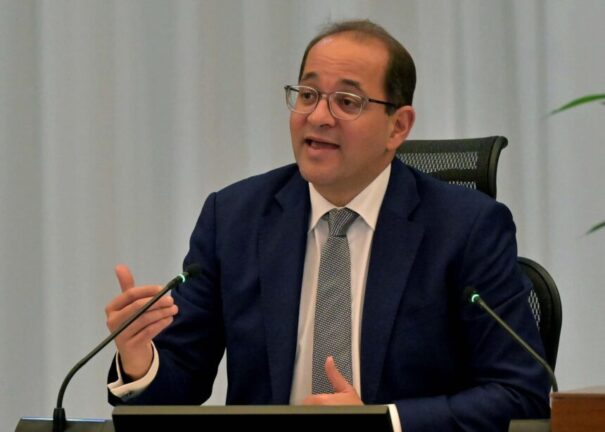 L’Égypte relance son “obligation citoyenne” pour capter l’épargne domestiqueby Issouf Kamgate on March 31, 2026
L’Égypte s’apprête à remettre sur le marché son “Citizen Bond”, une obligation destinée aux particuliers et distribuée via les bureaux de poste. L’annonce a été faite le 29 mars 2026 par le ministre des Finances, Ahmed Kouchouk, après une première émission lancée le 22 février et présentée par les autorités comme un succès en termes de demande. Le produit propose un rendement annuel fixe de 17,75 %, versé chaque mois pendant 18 mois. Lire la suite»
-
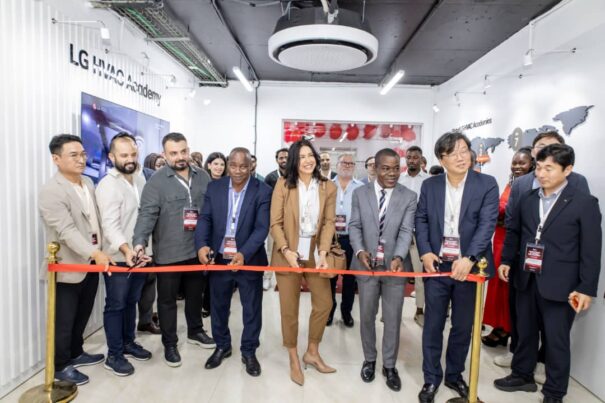 LG Electronics fait d’Abidjan un centre de référence pour la formation aux métiers du froid en Afrique subsaharienneby Issouf Kamgate on March 31, 2026
LG Electronics a inauguré, le 26 mars 2026 à Abidjan, sa « B2B Academy », un centre de formation technique exclusivement dédié aux métiers du chauffage, de la ventilation et de la climatisation (HVAC). La cérémonie a réuni les responsables régionaux du groupe coréen — direction Afrique et direction Afrique de l’Ouest — ainsi que les principaux distributeurs actifs sur le marché ivoirien. Le centre s’adresse à un public professionnel large : installateurs, techniciens de maintenance, architectes et gestionnaires d’infrastructures de santé. Lire la suite»
-
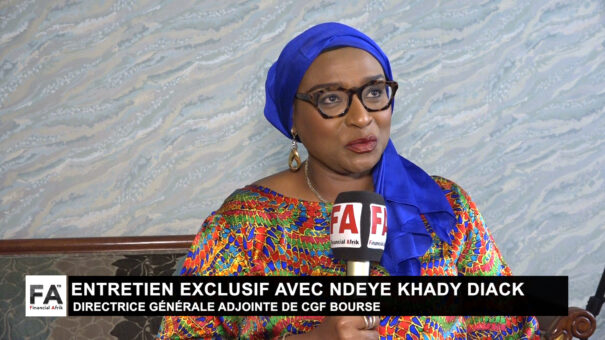 Interview exclusive avec Ndeye Khady Diack, directrice générale adjointe de CGF Bourseby Abdoulaye BA on March 31, 2026
La 7ᵉ édition des BRVM Awards 2026, qui s’est déroulée les 26 et 27 mars 2026 à Dakar, a rassemblé les principaux acteurs du marché financier de la région pour discuter des innovations et des stratégies de financement des économies de l’UEMOA. Lors de cet événement, Ndeye Khady Diack, directeur général adjoint de Césaire Bourse, a accordé un entretien à Financial Afrik pour évoquer l’évolution du marché et les enjeux de mobilisation de l’épargne. Récompensée en 2025 du prix de la meilleure SGI, une distinction déjà obtenue en 2020, la dirigeante y voit la reconnaissance d’un travail constant. Lire la suite»
-
 Microfinance : Hausse de 10,3% des emplois des Systèmes Financiers Décentralisés de l’UMOA en 2024by Albert Savana on March 31, 2026
Ce contenu est réservé aux membres. Visitez le site et connectez-vous ou bien adhérez pour le lire. Lire la suite»
-
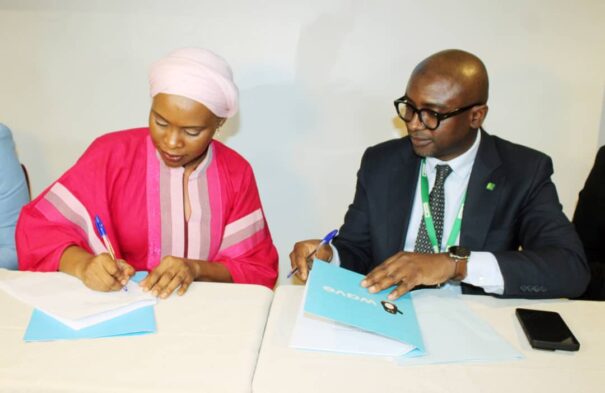 Mali : Orabank et Wave scellent un partenariat stratégiqueby Rédaction on March 31, 2026
Ce contenu est réservé aux membres. Visitez le site et connectez-vous ou bien adhérez pour le lire. Lire la suite»
Commentaires pour Financial Afrik Toute la Finance Africaine
-
 Commentaires sur Glovo : l’appli phare de livraison à la demande en Europe, Amérique du Sud et Afrique débarque à Abidjan par Doraemon Xby Doraemon X on March 25, 2026
C'est incroyable de voir Glovo s'implanter à Abidjan ! J'ai hâte de découvrir comment cela va faciliter nos vies au quotidien. J'espère que ça entraînera aussi plus de concurrence et de meilleures offres pour les consommateurs. Merci pour cet article informatif !
-
Commentaires sur Bénin :Wadagni, ou l’ambition du ruissellement maîtrisé par N'tcha Sidoineby N'tcha Sidoine on March 25, 2026
*Message de soutien aux candidats* "Nous vous assurons de notre soutien et de notre engagement à travailler ensemble pour un Bénin meilleur. Votre vision et votre détermination sont une source d'inspiration pour nous tous. Nous sommes convaincus que votre leadership contribuera à façonner un avenir radieux pour notre pays. Bonne chance monsieur wadagni
-
Commentaires sur Amazone – Binta Baba Sy, Fondatrice et directrice généralede Debbo Consulting par Mariemby Mariem on March 24, 2026
Chère cousine c'est bien Binta baba sy de rosso si oui c'est ta cousine mariem mahjoub la fille de ta tante binta kah Mon whatsapp et 22316639 Merci de me répondre si c'est bien toi merci
-
Commentaires sur Le Sénégal a payé le prix d’avoir ignoré son propre bulletin de notes par Mamadou Cisseby Mamadou Cisse on March 23, 2026
Ceux qui ont contracté et caché cette dette sont d'une lâcheté abyssale
-
Commentaires sur Hausse du SMIG en RDC : l’enfer est pavé de bonnes intentions par actu cadeauxby actu cadeaux on March 20, 2026
J’ai trouvé la réflexion sur le décalage entre l'intention sociale et la réalité des entreprises très pertinente, on sent bien la complexité de l'équilibre à trouver en RDC. C'est un vrai cas d'école sur les pressions inflationnistes. D'ailleurs, selon toi, est-ce que la solution passerait plutôt par des allégements fiscaux pour compenser cette hausse du SMIG ou par un renforcement prioritaire de la productivité locale ?
-
Commentaires sur Le piège de la subsistance : Pourquoi l’économie informelle ne suffit plus à bâtir l’Afrique ? par Sébastien Kouakouby Sébastien Kouakou on March 7, 2026
J'ai vraiment aimé l'article. Et voir que c'est un Africain qui montre les failles et propose des solutions cela me fait vraiment chaud au cœur. Aujourd'hui le message est très claire. Nous, la jeunesse sommes souvent resté dans des sentiers battus qui n'ont pas vraiment bougé l'Afrique. Alors, si on y pense mieux aujourd'hui dans 5 voir 10 ans l'Afrique aura meilleur allure. Impatient de lire le prochain article !
محتوى جريدة الشروق RSS - مال وأعمال- بوابة الشروق
-
31 مارس 2026.. أسعار الخضروات والفاكهة بسوق العبور للجملةby مواطن on March 31, 2026
تباينت أسعار الخضروات والفاكهة، في سوق العبور للجملة، خلال تعاملات اليوم الثلاثاء 31 مارس 2026.جاءت أسعار الخضار لكل كيلو كالآتي:تتراوح أسعار الطماطم بين 12.5 إلى 22.5 جنيه.تباع البطاطس بين قيمتي 8 إلى 12 جنيهًا.وتختلف أسعار البصل الأبيض من 6 إلى 8 جنيهات.تتراوح أسعار الكوسة بين 5 إلى 9 جنيهًا.ويباع الجزر بأسعار تختلف من 15 إلى 20 جنيها.
-
الثلاثاء 31 مارس 2026.. ارتفاع جماعي لمؤشرات البورصة المصرية بعد بداية تعاملات اليومby أعمال on March 31, 2026
ارتفعت مؤشرات البورصة المصرية، بشكل جماعي، بعد بداية تعاملات اليوم الثلاثاء، 31 مارس 2026، ثاني تعاملات الأسبوع الحالي.وتقدم المؤشر الرئيسي للبورصة المصرية «إيجي إكس 30» مع بداية التعاملات، بمقدار 0.37%، مسجلًا 45353.74 نقطة.كما ارتفع مؤشر «إيجي إكس 100» متساوى الأوزان بنسبة 0.15% ليصل إلى مستوى نقطة 17399.01.
-
31 مارس 2026.. استقرار الدولار فوق 54.5 جنيه في البنوك المحلية اليومby أعمال on March 31, 2026
استقرت أسعار الدولار في البنوك المحلية بعد وقت قليل من بدء تعاملات اليوم الثلاثاء، 31 مارس 2026، ليجري تداوله عند مستوى 54.50 جنيه فما فوق، وذلك بعدما كان كسر حاجز 54 جنيها في البنوك للمرة الأولي، خلال تعاملات أمس الاثنين.وبدأ البنك المركزي المصري تعاملات اليوم الثلاثاء عند 54.52 جنيه للشراء، و54.62 جنيه للبيع.
-
اليوم.. وزيرة التنمية المحلية والبيئة تزور الإسكندرية لتفقد مشروعات خدمية وتنمويةby أعمال on March 31, 2026
تقوم الدكتورة منال عوض وزيرة التنمية المحلية والبيئة، اليوم الثلاثاء بزيارة إلى محافظة الإسكندرية لتفقد عدداً من المشروعات التنموية والخدمية يرافقها المهندس أيمن عطية محافظ الإسكندرية وعدد من قيادات الوزارة والمحافظة للوقوف على معدلات التنفيذ وتسريع وتيرة العمل في تلك المشروعات.ومن المقرر أن تتضمن الجولة الموسعة لوزيرة التنمية المحلية والبيئة تفقد منطقة بئر مسعود وأعمال الحماية البحرية وبعض الكباري و المحاور المرورية والموقف التنفيذي للمبادرة الرئاسية لزراعة 100 مليون شجرة
-
وزير البترول يبحث خطط شركة بي بي الإنجليزية للتوسع في مصرby أعمال on March 31, 2026
التقى المهندس كريم بدوي، وزير البترول والثروة المعدنية، بوفد رفيع المستوى من شركة بي بي العالمية، برئاسة وليام لين، نائب الرئيس التنفيذي للشركة لشؤون الغاز والطاقة منخفضة الكربون بحضور قيادات الوزارة والشركة العالمية، وذلك على هامش فعاليات اليوم الأول لمؤتمر ومعرض مصر الدولي للطاقة “إيجبس 2026”.
-
وزير البترول الأسبق: العالم يواجه أزمة طاقة قد تكون الأكبر في العصر الحديث بسبب حرب إيرانby أعمال on March 31, 2026
وصف المهندس أسامة كمال، وزير البترول الأسبق ورئيس لجنة الطاقة بمجلس الشيوخ، أزمة الطاقة العالمية الناتجة عن تداعيات الحرب الإيرانية الأمريكية الإسرائيلية، بأنها من أخطر الأزمات في العصر الحديث، قائلًا: «أزمة خطيرة بيمر بيها العالم قد تكون أكبر أزمة في العصر الحديث مر بها العالم».وقال خلال مداخلة هاتفية على برنامج «الحياة اليوم»، المذاع عبر قناة «الحياة»، إنه مع دخول هذه الحرب لأسبوعها الخامس، وعدم وصول أي سفن جديدة مُصدرة للنفط من دول
OxAn Feed: Most Recent - An Analysis Feed from Oxford Analytica These items represent those from Oxford Analytica's most recent publication date. If there are fewer than approximately 25, please check back again soon, as we are still publishing for the day. For more information about the Oxford Analytica Daily Brief Services, please see http://oxan.to/dbabout. (Note: Oxford Analytica is not a news provider but is an analysis provider.)
-
Taiwan opposition’s Beijing ties could risk voteson March 30, 2026
China has welcomed a scheduled visit by the leader of Taiwan’s opposition Kuomintang party
-
Russian oil shipment to Cuba may encourage moreon March 30, 2026
A Russian oil delivery appears to have exposed a weakness in the US blockade of Cuba, providing hope for the island
-
Ukraine will strike deeper across European Russiaon March 30, 2026
Ukrainian drones and long-range missiles have hit several installations in Russia's industrial region of Samara
-
Talks will ease strain in Philippine-Chinese relationson March 30, 2026
Manila and Beijing held key talks towards the end of last week
-
 Debt reckoning may shift terms of China-Africa tieson March 30, 2026
Efforts are underway to restructure both Chinese loans to Africa and the nature of bilateral relationships
-
Iran war will strain Syria’s security and economyon March 30, 2026
Syria is struggling to manage the ramifications of the region's conflicts
Jeune Afrique Feed - Contents - Jeune Afrique title
-
Attaque de Kafolo en Côte d’Ivoire : perpétuité requise à l’encontre des jihadistes présumésby Jeune Afrique on March 31, 2026
Quatorze soldats ivoiriens avaient été tués à la frontière avec le Burkina Faso, en juin 2020. Les plaidoiries de la défense doivent se poursuivre le 20 avril prochain.
-
Au Mali, l’armée dément la libération de jihadistes contre le passage des convois de carburantby Jeune Afrique on March 31, 2026
Un élu malien avait confirmé la libération de jihadistes présumés dans le cadre d’une trêve sur les attaques de convois de carburant. Un accord censé durer jusqu’à la Tabaski, qui aura lieu fin mai.
-
Comment la filière or monte en puissance au Sénégalby Fatoumata Diallo on March 31, 2026
L’instabilité au Sahel et le contexte haussier du cours du métal jaune profitent au pays, qui attire les majors du secteur. Il affiche une production de plus de 10 tonnes en 2025, déjà trois mines en exploitation, et de nouveaux sites en développement.
-
Burkina Faso : ce qui change avec la nouvelle « Charte de la révolution »by Jeune Afrique on March 31, 2026
Ibrahim Traoré a fait adopter une nouvelle charte qui officialise la « révolution progressiste populaire » au Burkina Faso. Partis dissous, assemblée rebaptisée, horizon fixé à 2029 : le régime consolide méthodiquement son emprise institutionnelle.
-
La guerre au Moyen-Orient aura-t-elle raison de la croissance africaine ?by Alix Lavoué on March 30, 2026
Dans son rapport 2026 sur les performances et perspectives macroéconomiques du continent, la Banque africaine de développement met l’accent sur la dynamique de reprise de croissance engagée. Et met en garde contre l’impact du conflit au Moyen-Orient.
-
Quelle stratégie pour le Canada et ses entreprises minières en Afrique ?by Jeune Afrique on March 30, 2026
Vent de souverainisme économique, compétition avec les États-Unis de Donald Trump… Comment le Canada se repositionne-t-il pour défendre ses intérêts sur le continent ? Ben Marc Diendéré, envoyé spécial du Canada pour l’Afrique, livre son analyse. Entretien en vidéo.
Oxford Business Group Economic Research & Foreign Direct Investment Analysis
-
Forward thinking: Targeting availability and affordability to boost inclusionby OBG Admin on September 16, 2022
The availability and affordability of financial services such as payments, savings, credit and insurance are central to financial inclusion. Rural populations, women and low-income groups in Côte d’Ivoire have historically had less access to financial services, which has impeded growth and economic activity. The comparatively high cost of traditional banking products has also been a contributor to low uptake. However, the development and increasingly widespread use of mobile money and digital financial services are playing a significant role in the country’s economic performance and catalysing financial inclusion. Mobile Money The number of Ivorians using mobile money services rose from 7.5m in 2016, or 30% of The post Forward thinking: Targeting availability and affordability to boost inclusion appeared first on Oxford Business Group.
-
Outward bound: New opportunities for Ivorian players to expand in UEMOAby OBG Admin on September 16, 2022
Côte d’Ivoire’s importance as a regional centre for the insurance sector is growing, as an increasing number of pan-African players open offices and branches in Abidjan. The country has been a catalyst for the integration of public and private insurance stakeholders in the 14 member countries of the Inter-African Conference on Insurance Markets (Conférence Interafricaine des Marchés d’Assurances, CIMA). Even though large pan-African and international players dominate the insurance sector in Côte d’Ivoire, and in the CIMA region more broadly, Ivorian insurance players have an eye on extending their operations in UEMOA. Regional Leader In terms of total premium for the life and non-life segments, The post Outward bound: New opportunities for Ivorian players to expand in UEMOA appeared first on Oxford Business Group.
-
Fiscal reach: Many authorities are attempting to bridge tax revenue gaps by introducing levies on electronic transactionsby OBG Admin on September 16, 2022
A number of sub-Saharan African countries have sought to introduce taxes on mobile transactions, in response to the sustained uptake prompted by the Covid-19 pandemic. While such moves have been met with criticism, they represent an opportunity to boost tax revenue significantly. The Covid-19 pandemic and its knock-on effects gave rise to a sharp increase in electronic payments across the African continent – a trend that is set to continue. In parallel to this, public finances in the region have taken a significant hit, as The post Fiscal reach: Many authorities are attempting to bridge tax revenue gaps by introducing levies on electronic transactions appeared first on Oxford Business Group.
-
Remunerating progress: Boasting resilience and robust growth, t he Bourse Régionale des Valeurs Mobilières remains a top-performing exchangeby OBG Admin on September 16, 2022
The Bourse Régionale des Valeurs Mobilières (BRVM) of UEMOA, which includes Benin, Burkina Faso, Côte d’Ivoire, Guinea Bissau, Mali, Niger, Senegal and Togo, began its activities in 1998 with 35 listed shares. The exchange has since grown considerably – by the end of 2021 it had 46 securities, 35 of which were issued by Ivorian companies; and 123 bond lines, 94 of which were listed on the bond market and 29 unlisted. The BRVM has been a top-performing African stock exchange since 2015, when it The post Remunerating progress: Boasting resilience and robust growth, t he Bourse Régionale des Valeurs Mobilières remains a top-performing exchange appeared first on Oxford Business Group.
-
Sowing success: Export commodity prices and new company groupings are adding dynamism to the regional agriculture sectorby OBG Admin on September 16, 2022
In 2021 the global economy was marked by an exacerbation of market supply difficulties, in line with the persistent impact of the Covid-19 pandemic. In this context, crude oil prices on international markets jumped by 49.8% in one year in US dollar terms. Over the same period, agricultural producer prices increased by 17.6% compared to 2020. For the main commodities exported by UEMOA countries, prices also rose over the whole of 2021, by 60.6% for coffee, 41.8% for cotton and 31.6% for rubber. New Groupings The post Sowing success: Export commodity prices and new company groupings are adding dynamism to the regional agriculture sector appeared first on Oxford Business Group.
-
Favourable figures: New maturities on bond issuances debut as the regional debt market remains a key source of financing for UEMOA statesby OBG Admin on September 16, 2022
Economic activity in UEMOA strengthened in 2021, resulting in 6.1% estimated growth in GDP after a sharp slowdown in 2020 due to the effects of the Covid-19 pandemic. Economic stimulus measures implemented by member states and the accommodative monetary policy maintained by the Central Bank of West African States (Banque Centrale des Etats de l’Afrique de l’Ouest, BCEAO) were the primary drivers of this growth. The average annual inflation rate was estimated at 3.6%, compared with 2.1% in 2020, due to the rise in the The post Favourable figures: New maturities on bond issuances debut as the regional debt market remains a key source of financing for UEMOA states appeared first on Oxford Business Group.